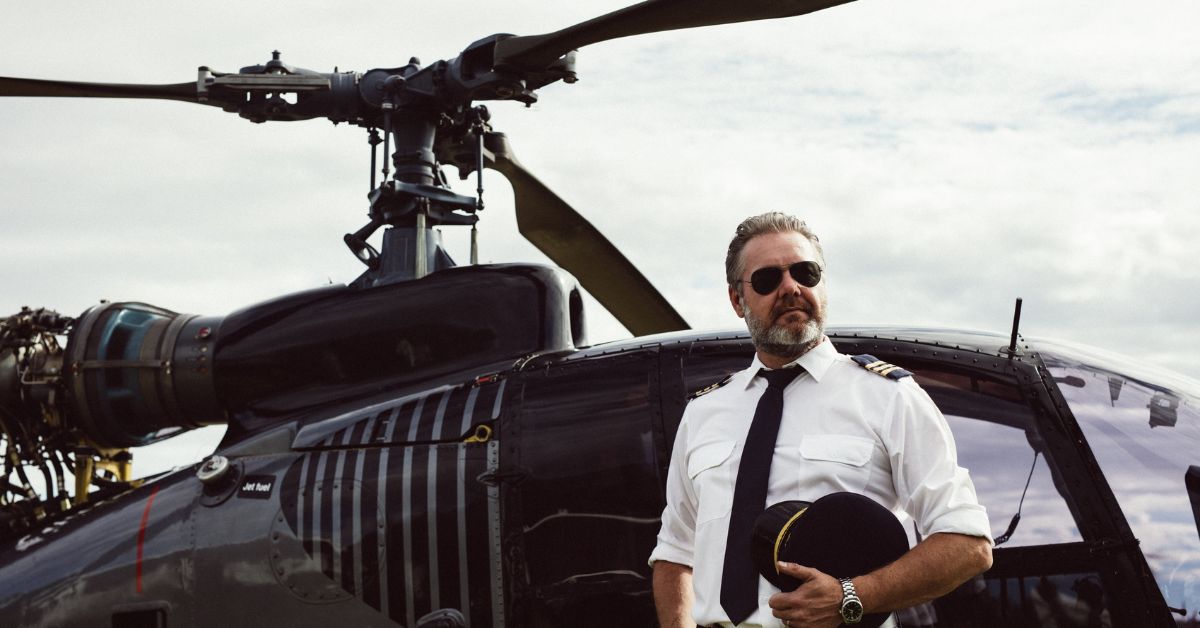
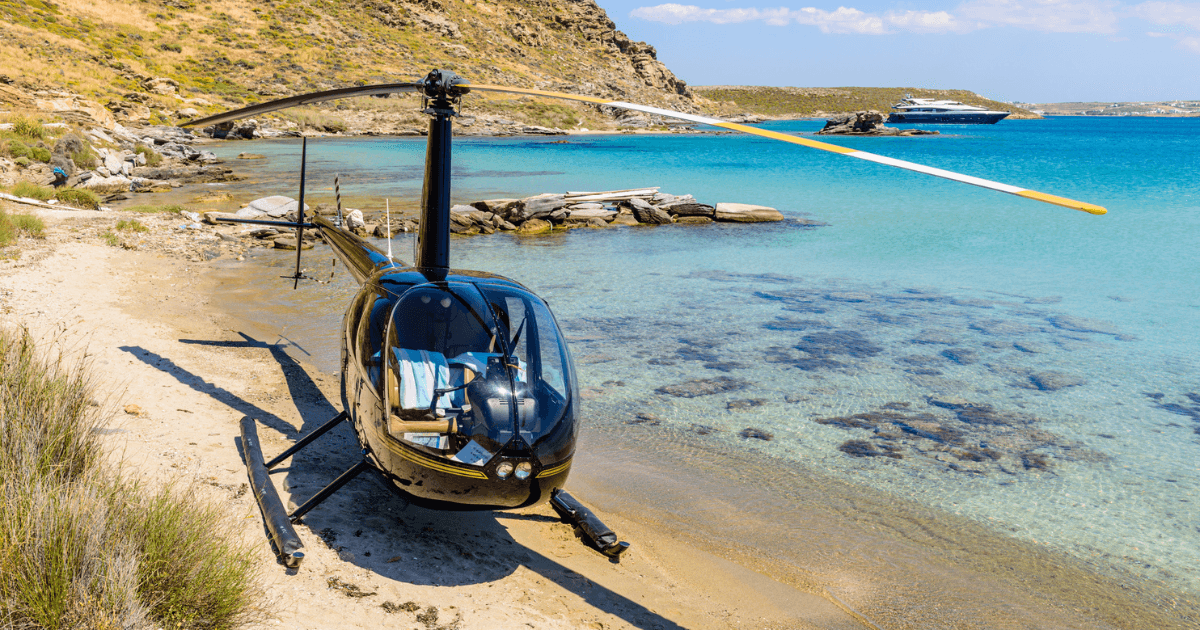
One of the most spectacular and at the same time most challenging experiences in Greece involves traveling between the islands and the mainland, especially in popular destinations such as Mykonos, Santorini, and Athens, where the influx of visitors can become overwhelming, especially during the peak tourist season.
Naturally, private aviation provides a time efficient solution that adds privacy and comfort to the equation. The only question left to answer is: helicopter o turboprop?
Both options present a unique set of benefits and disadvantages, and understanding the differences between the two is paramount for taking the right decision.
Why helicopters dominate short island transfers
Helicopters are the most popular means of transport between the Greek islands, and the most important reason for this lies in the fact that the helicopter don’t necessarily need to operate from the conventional airport.
Turboprops must operate from the airport and involve a series of mandatory handling charges, including a departure fee from the airport, which can go up to USD 3,000, a cost that can be avoided by using the helicopter, which can operate from the helipad; a location that usually lies outside the conventional airport environment.
Another major advantage is that there are no slot constraints. Mykonos Airport has very strict slot coordination. This means that every arrival and departure must take place at a specific approved time slot. During the summer months, these slots are extremely hard to obtain. Helicopters are not bound by slot constraints and therefore have a much higher possibility of departing when it is most convenient.
Another major advantage of using helicopters is the access they provide. There are many islands in Greece with either no airports or airports that are difficult to reach. Helicopters have their own landing pads in many locations and can land close to hotels and other locations. This makes travel much more convenient and reduces travel time.
The experience of flying in a helicopter is also unique. Helicopters fly much lower than other planes and give a bird’s-eye view of the Aegean Sea, the volcano, and other islands. They can extend their flight by 10-15 minutes for sightseeing.
The case for turboprops
Turboprop planes are used for transporting people from one place to another. They are used to transport people from one place to another because they are efficient for short- and medium-distance flights. They are between planes and helicopters and are used for transporting people within Greece.
Another advantage of turboprop aircraft is cost. They consume less fuel than jets, making them a better option for flights like Mykonos to Athens. Turboprops can be a better option for groups of four to eight people, offering a comfortable environment at a lower cost than other aircraft types.
Another advantage of turboprop aircraft is that they can use shorter runways than jets. This means they can use shorter runways in various regions of Greece, offering a wider range of fixed-wing flights. Although they still need to use an airport, they can use shorter runways, offering a wider range of choices compared to jet aircraft.
Although they can withstand harsher weather within safe operational parameters, they cannot offer the same level of convenience as helicopters. Turboprop aircraft still need to use an airport, and travelers need to go through terminal processes, which can be a nuisance, especially in places like Mykonos.
Common helicopters and turboprops used for Greek island transfers
In Greece, particularly in the Cyclades, operators rely on a relatively small group of proven aircraft types optimized for short distances, high temperatures, coastal winds, and frequent takeoffs and landings.
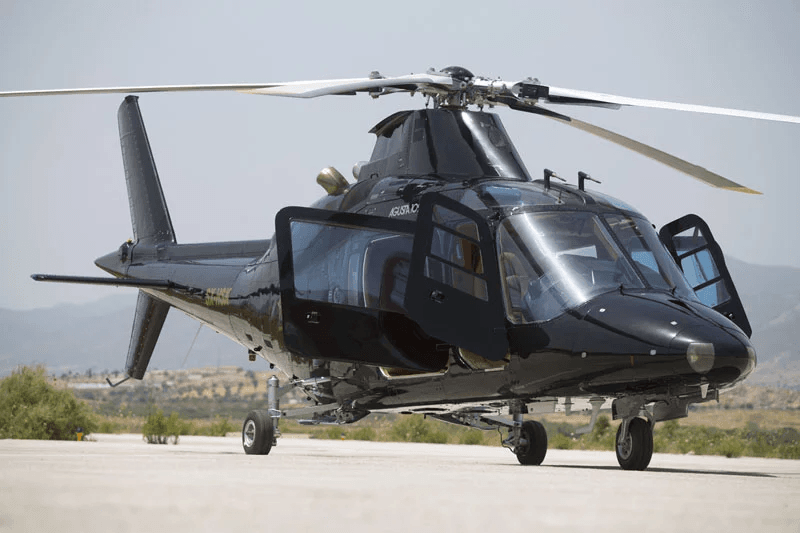
Among helicopters, some of the most commonly deployed models include the Airbus H125, Airbus H130, and Leonardo AW109SP. These aircraft have strong safety records, modern avionics, and performance capabilities suited to island environments. The H125 is widely regarded as a versatile workhorse capable of operating in demanding terrain, while the larger H130 offers a spacious cabin for families and groups along with enhanced visibility.
For travelers seeking higher speed and twin-engine redundancy, the AW109SP combines luxury with advanced flight systems and strong performance margins.
On the fixed-wing side, turboprop aircraft such as the Cessna Grand Caravan and the Pilatus PC-12 are among the most practical options for regional private travel. Both aircraft are designed for efficiency over short to medium distances and are capable of operating from relatively short runways compared with jets.
The Grand Caravan is known for its simplicity, reliability, and ability to carry passengers and luggage into smaller airfields, while the PC-12 offers a more refined cabin, higher cruise speed, and strong performance in challenging weather conditions.
Cost comparison: helicopter versus turboprop
The cost of each option varies, depending on the aircraft, season, and availability. Although costs can vary, they can be compared by using approximate figures.
For a small helicopter that can accommodate four passengers on a flight from Mykonos to Athens, the cost is about USD 3,950. A small turboprop plane can cost about USD 10,500 for the same route.
This shows that a helicopter is not only convenient but also cost-effective for short distances. Once airport charges are included, the cost of a turboprop plane on a short route can be much higher than that of a helicopter.
For instance, for a direct private transfer between Mykonos and Santorini, a four-seat helicopter typically costs around USD 3,500, while a small turboprop aircraft for the same route is approximately USD 9,900, reflecting the higher operating expenses and airport charges associated with fixed-wing flights.
Flight times between key destinations
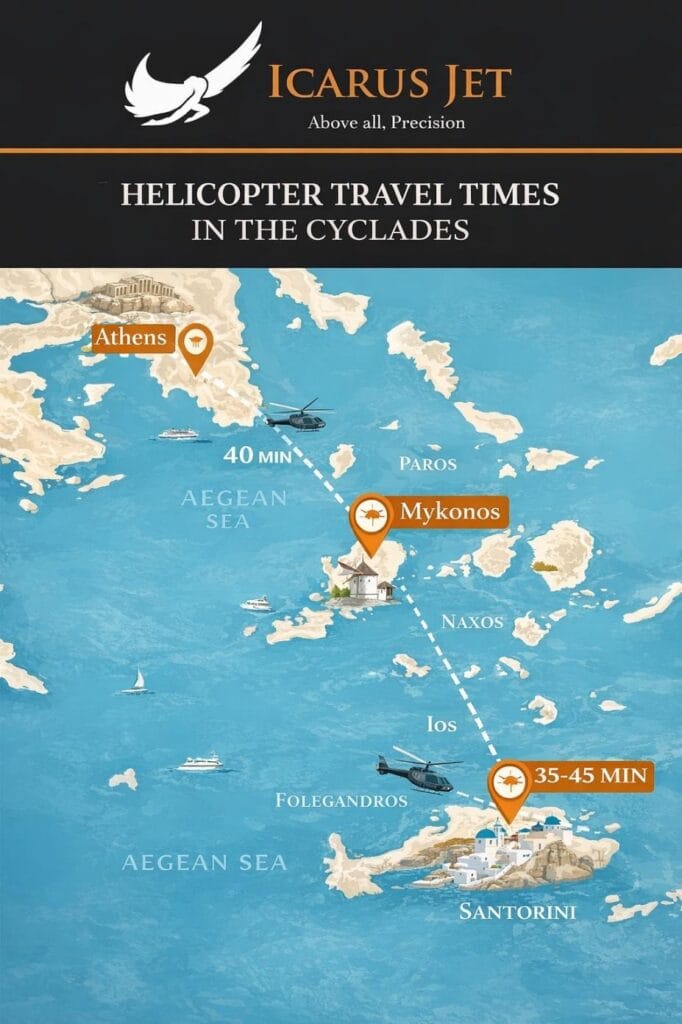
The distances within the Cyclades are quite short. This shows that a helicopter can be highly effective for this route. A helicopter flight from Mykonos to Santorini takes about 35-45 minutes.
A flight from Mykonos to Athens takes about an hour by helicopter. A turboprop plane takes slightly less time than a helicopter, but longer time than a helicopter when considering the time taken at both departure and arrival airports.
Commercial flights between the islands are limited and usually seasonal. Many flights have to be routed through Athens. This increases the time taken for a flight.
Helicopter travel is fast because there are minimum delays on the ground. Transferring from the airport to the helipad, checking in, and boarding are quick, and the flight departs almost immediately after the passengers arrive. On landing, the passengers are picked up by a vehicle to the hotel or villa.
Turboprop travel, on the contrary, is slower compared to helicopter travel. Although the flight duration remains the same, ground delays are longer, especially during the peak season at Mykonos. Therefore, even though the helicopter flight is shorter, it may be more efficient than the turboprop flight.
Luggage, capacity, and comfort considerations
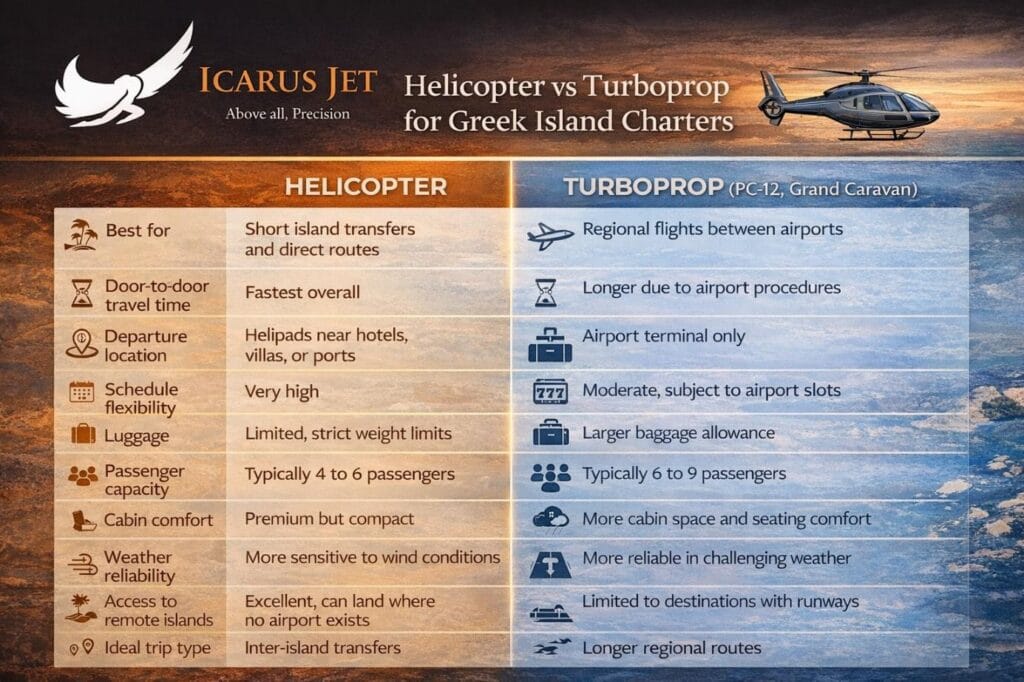
Helicopters can carry between 4 and 6 passengers, but luggage capacity is limited. The helicopter can carry a limited amount of luggage, especially because the weight is strictly limited. Therefore, this is a problem for passengers who have to travel with many bags.
Turboprop travel is more convenient than helicopter travel because baggage and cabin space are larger, and the aircraft can carry more luggage, especially since weight is not strictly limited. Therefore, this is the best option for passengers traveling with family, especially during the peak season, even though the overall flight can be slower than the helicopter.
Conclusion: selecting the right aircraft for island travel
For small transfers between Mykonos and other nearby islands, helicopters offer unparalleled convenience, flexibility, and cost-effectiveness. Helicopters can operate independently of airports, allowing travelers to avoid some of the queues and delays associated with traditional air travel to Greek islands during peak season.
Turboprop planes, meanwhile, can be a good alternative to helicopters when luggage space, reliability, and passenger comfort are a priority. Turboprops can provide efficient island-hopping and access to a broad network of small airports, though they cannot match helicopters for point-to-point convenience.
So, which one is better? It all depends on your priorities. For a quick, seamless, and efficient trip, a helicopter is likely your best bet. For a reliable, spacious, and cost-effective option, a turboprop is a better choice. If you still have questions or are planning a flight within the Greek Isles, please contact our charter team today.
FAQs
Is a helicopter the quickest way to travel between Greek islands?
For short transfers, a helicopter is generally the quickest way to travel between Greek islands, as there is no need to go through airport formalities.
Can a turboprop plane land in small island airports?
Turboprop planes, yes, can land in small island airports, given their relatively shorter runway requirements compared to jets.
Why is a turboprop plane more expensive than a helicopter for small transfers?
A turboprop plane is more expensive than a helicopter for short transfers, given airport, handling, and operational costs per trip.
Are there direct flights from Mykonos to Santorini?
Direct flights from Mykonos to Santorini exist, though they may be limited to peak season, and some flights require a connection in Athens.
What is better for travelers with a lot of luggage?
For travelers with a lot of luggage, a turboprop plane is a better option than a helicopter.