
EuroAirport Basel
Mulhouse Freiburg
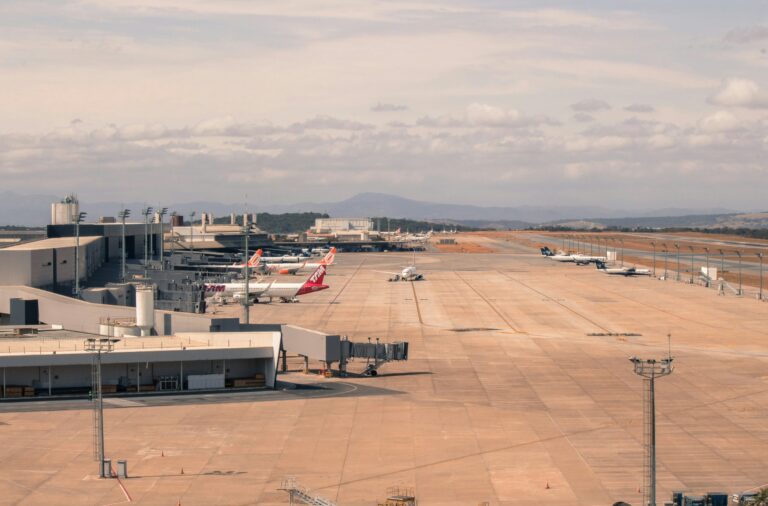
The only binational airport in the world. It stands on French soil, is run jointly by France and Switzerland under a 1949 convention, and has a Swiss customs sector that lets you choose which country you arrive in. Our EuroAirport Basel private jet guide covers the runway, handling, permissions, parking and customs for crews and charter clients.
Reviewed by Kevin Singh, Founder · Fact-checked against Icarus Jet fleet and airport operations data · Last updated 10 September 2026
The Airport
Basel Mulhouse at a glance
The airport carries the ICAO code LFSB, which is a French code, and three IATA identifiers: BSL for Switzerland, MLH for France and EAP for the airport as a whole. It sits in the French communes of Saint-Louis, Hesingue and Blotzheim, in Alsace.
It is 3.5 kilometres northwest of Basel, 20 kilometres southeast of Mulhouse and 46 kilometres south-southwest of Freiburg im Breisgau, and 4.7 kilometres west of the tripoint where France, Germany and Switzerland meet.
Chartering through EuroAirport Basel Mulhouse Freiburg? The Zurich jet charter page explains how the desk quotes the sector, and the large cabin jets guide covers the aircraft that fit the field.
Facts checked against the EuroAirport Basel Mulhouse Freiburg official site and the SIA (French AIP) publications, plus Icarus Jet operations data.
What Makes It Unusual
One airport, two countries, and a choice of arrival
Basel Mulhouse is the only binational airport in the world. It is governed by an international convention agreed between France and Switzerland in 1949, and jointly administered by both.
The airport is entirely in France. It also holds a customs sector that extends into Basel, in Switzerland, which allows passengers to clear directly into Swiss territory without entering France on the ground.
The practical effect is that the arrival country is a choice. The same aircraft, on the same day, at the same airport, can deliver passengers into either France or Switzerland depending on which sector is used for clearance. For a meeting in Basel or northern Switzerland, that takes a border crossing out of the ground journey. For a trip into Alsace or eastern France, the French side is the direct route.
It is worth deciding this before you land rather than after. The clearance route determines where the ground transport waits, and getting it wrong means an unnecessary crossing at the end of the flight.
Operating
Runways, permission and handling
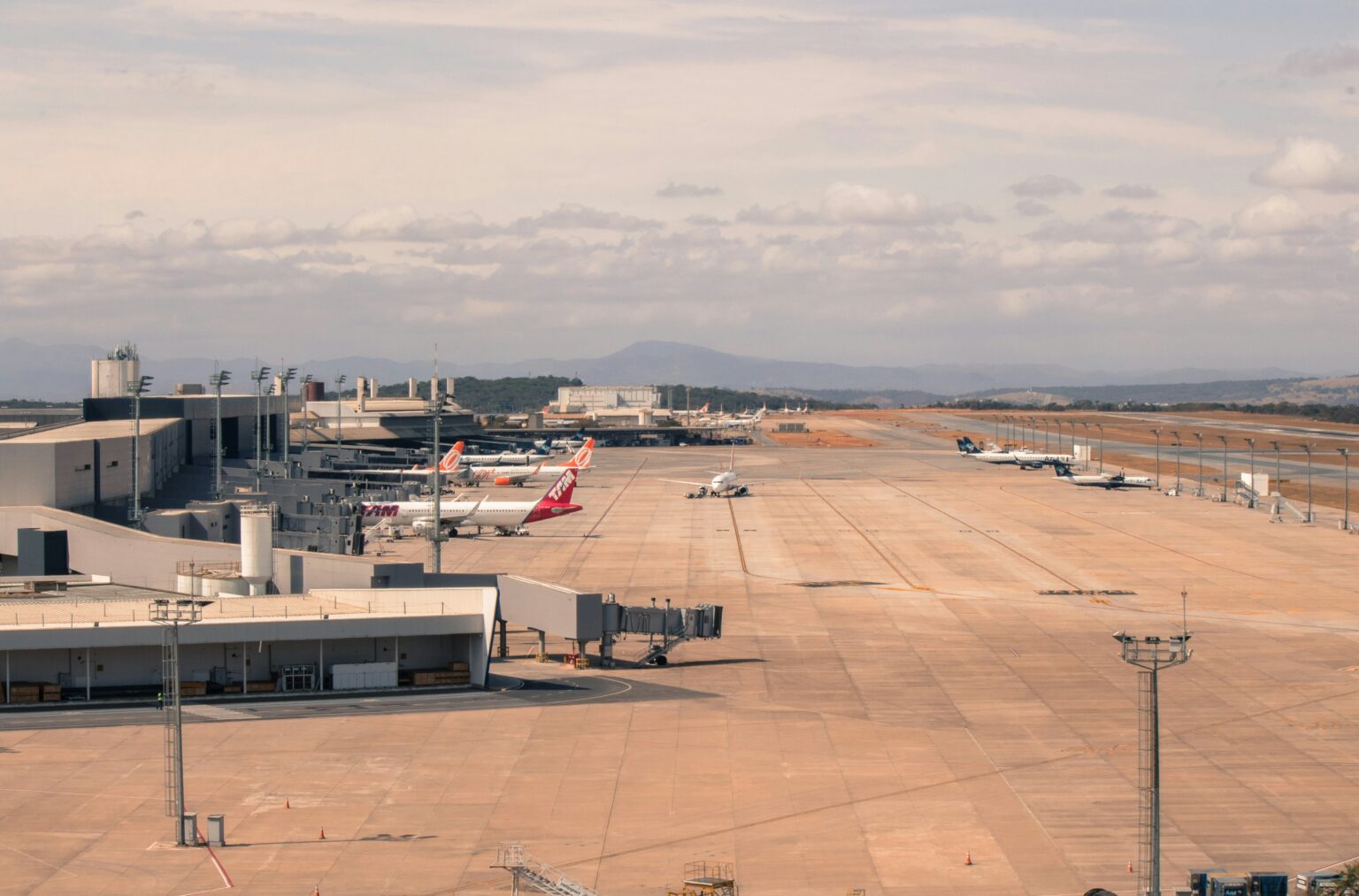
The main runway 15/33 is 12,795 feet by 197 feet, in concrete, the same length as Geneva’s. A second runway, 07/25, gives 5,971 feet. Field elevation is 885 feet. Runway length is never the question here.
Prior permission applies and ground handling is mandatory. Neither is onerous, but both belong in the booking rather than the arrival. Fire cover is ICAO Category 7 and Jet A-1 is available.
The airport carries a substantial maintenance and overhaul presence for business jets and airliners, which is why many operators know the field better than its passenger numbers would suggest.
One item to confirm per trip rather than assume: the airport sits close to residential areas on both sides of the border and noise is a live local issue, so night operating restrictions should be checked for the specific date before a late arrival or early departure is committed.
History
An airport that needed a treaty
Plans for a joint Swiss and French airport began in the 1930s and were halted by the Second World War. Swiss planners had identified Basel as one of four cities that would need a main urban airport, and the existing field at Sternenfeld in Birsfelden was too small, hemmed in by the growth of the adjacent river port and unsuitable for expansion.
The suburb of Allschwil was proposed instead, but a site there would have had to be built across the Franco-Swiss border. That constraint led to talks with the French authorities, and those talks produced something more ambitious than a Swiss airport with a French edge: a single airport serving both countries, formalised by convention in 1949.
The first enlargement project was approved by referendum in Basel in 1960, and terminals and runways were extended repeatedly over the following decades. The north-south runway reached its present 3,900 metres in 1972. The airport passed one million passengers a year in 1984, and the trademark name EuroAirport Basel Mulhouse Freiburg was introduced in 1987.
The oddity that makes the airport useful today, a Swiss customs sector on French soil, is a direct inheritance of the fact that neither country would build it alone.
Nearby
Basel Mulhouse and the Swiss fields
Switzerland is small enough that the airport choice is almost always about ground time rather than flight time.
Zurich is roughly an hour away by road and wins where the destination is genuinely Zurich or where a scheduled long-haul connection matters, at the cost of slot coordination and a night curfew. Geneva serves the west and the Alps. Buochs covers central Switzerland. Samedan serves St Moritz, subject to performance and crew qualification, and Lugano serves Ticino and the Italian lakes. Dubendorf is a Swiss Air Force base and is not available for ordinary charter.
Airport guides & index
Questions
Basel Mulhouse, answered
Is Basel Mulhouse in France or Switzerland?
The airport lies entirely in France, in the communes of Saint-Louis, Hesingue and Blotzheim in Alsace. It is jointly administered by France and Switzerland under an international convention of 1949, and it is the only binational airport in the world. It also has a Swiss customs sector, which means passengers can clear directly into Switzerland without entering France on the ground.
Why does the binational arrangement matter operationally?
Because the arrival country becomes a choice rather than a given. The same aircraft, at the same airport, can deliver passengers into either France or Switzerland depending on which sector is used for clearance. For a meeting in Basel or northern Switzerland that removes a border crossing from the ground journey. For a trip into Alsace or eastern France the French side is the direct route. Very few airports in Europe work this way.
Why does Basel Mulhouse have three IATA codes?
BSL is the Swiss code, MLH the French one, and EAP the neutral code for the airport as a whole. They refer to the same airport. Which one appears on a booking or a flight plan depends on the system and on which side of the operation is being addressed, and it is a routine source of confusion when comparing quotes or schedules.
How long is the runway at Basel Mulhouse?
The main runway 15/33 is 12,795 feet by 197 feet in concrete, which is the same length as Geneva’s. There is a second runway, 07/25, at 5,971 feet. Field elevation is 885 feet. Nothing in business aviation is constrained by the runway here.
Does Basel Mulhouse need prior permission?
Prior permission applies and ground handling is mandatory. Neither is difficult, but both need arranging as part of the booking rather than on the day. Fire cover is ICAO Category 7.
What fuel is available at Basel Mulhouse?
Jet A-1. The airport also has a substantial maintenance and overhaul presence for business jets and airliners, which is one of the reasons operators know the field well beyond its passenger traffic.
When should you choose Basel Mulhouse?
When the destination is Basel, northern Switzerland, Alsace or the southern Baden region around Freiburg. The airport sits 3.5 kilometres northwest of Basel, 20 kilometres southeast of Mulhouse and 46 kilometres south-southwest of Freiburg, and is 4.7 kilometres west of the point where France, Germany and Switzerland meet. For that trinational corner nothing else is close.
Basel Mulhouse or Zurich for northern Switzerland?
Basel, in most cases, if the destination is Basel itself or the pharmaceutical and chemical corridor around it. Zurich is roughly an hour away by road and adds slot coordination and a night curfew that Basel does not impose in the same form. Zurich wins where the destination is genuinely Zurich or where the connection onto a scheduled long-haul matters.
Is there a curfew at Basel Mulhouse?
The airport sits close to residential areas on both sides of the border and noise is a live local issue, so night operating restrictions should be confirmed for the specific date rather than assumed. This is one of the items we check before committing a late arrival or an early departure.
When was Basel Mulhouse built?
Plans for a joint Swiss and French airport began in the 1930s and were halted by the Second World War. Swiss planners had identified Basel as one of four cities needing a main urban airport, and the existing field at Sternenfeld in Birsfelden was too small and hemmed in by the river port to expand. A site at Allschwil was proposed, which would have required building across the Franco-Swiss border, and that led to the talks with France that produced a single shared airport.
How did the airport develop after that?
The first enlargement project was approved by referendum in Basel in 1960, and the terminals and runways were extended repeatedly over the following decades. The north-south runway reached its present 3,900 metres in 1972. The airport passed one million passengers a year in 1984, and the trademark name EuroAirport Basel Mulhouse Freiburg was introduced in 1987.
What time zone is Basel Mulhouse in?
Central European Time, CET in winter and CEST in summer, which is UTC+1 and UTC+2. France and Switzerland share the same time, so the binational arrangement raises no timekeeping question.
Can private jets land at EuroAirport Basel Mulhouse Freiburg?
Yes. EuroAirport Basel Mulhouse Freiburg has a 12,795 foot runway, PPR required, handling mandatory. Our desk files the permission and handling before the aircraft departs.
Is ground handling mandatory at EuroAirport Basel Mulhouse Freiburg?
Yes. Handling is mandatory at EuroAirport Basel Mulhouse Freiburg. We book it with the permission so the aircraft is met on arrival and fuel, customs and the car are already arranged.
Flying into EuroAirport Basel Mulhouse Freiburg on your own aircraft? Our trip support desk files the permission, handling and fuel before you ask. Chartering instead? See the Zurich charter routes we fly.
Get Your Number
Request a Basel charter
Tell us which country the passengers actually need to end up in. We will file the clearance through the correct sector, arrange the prior permission and the mandatory handling, and confirm any night restriction for your specific date before the trip is committed.
Prefer to talk? Call +1 888 277 7203 or email charter@icarusjet.com. The desk is staffed 24/7, or send the trip online.