
The Aviation Library
Private Jet and Helicopter Charter Routes
Private jet and helicopter route guides written from Icarus Jet’s own flown trips and checked against the airport guides, the FAA database and the national aeronautical publications. Each one covers the sector time by aircraft class, the distance, the fields at each end, the permits, slots, curfews and parking that shape the plan, the aircraft that fit, and the season.
Most route pages online are price lists with a photograph. These are not. Every guide here starts from what the desk knows about the sector: which field at each end, what the runway or the altitude rules out, what has to be filed and how far ahead, and what the number covers. Where a price would be wrong for most readers, the guide explains what moves it instead. Start with the hub cards below, or go straight to the terms and questions that decide how a sector is planned.
Browse by hub
Private Jet Routes From the Cities We Fly
From Dallas to Dubai, London to Mykonos: every route here starts from a base the desk flies from, week after week. Each guide covers what decides the sector: the flight time by aircraft class, the field at each end, the permits and slots to file, and what the runway, the curfew or the season rules out.

Dallas
Our home base and the busiest desk. Texas, the coasts, the mountains and the Mexican and Central American resorts, flown from Love Field, Addison and Dallas Executive.

Los Angeles
Van Nuys, the Los Angeles private jet airport, to New York and across the Pacific to Hawaii, where the range of the aircraft decides the sector.
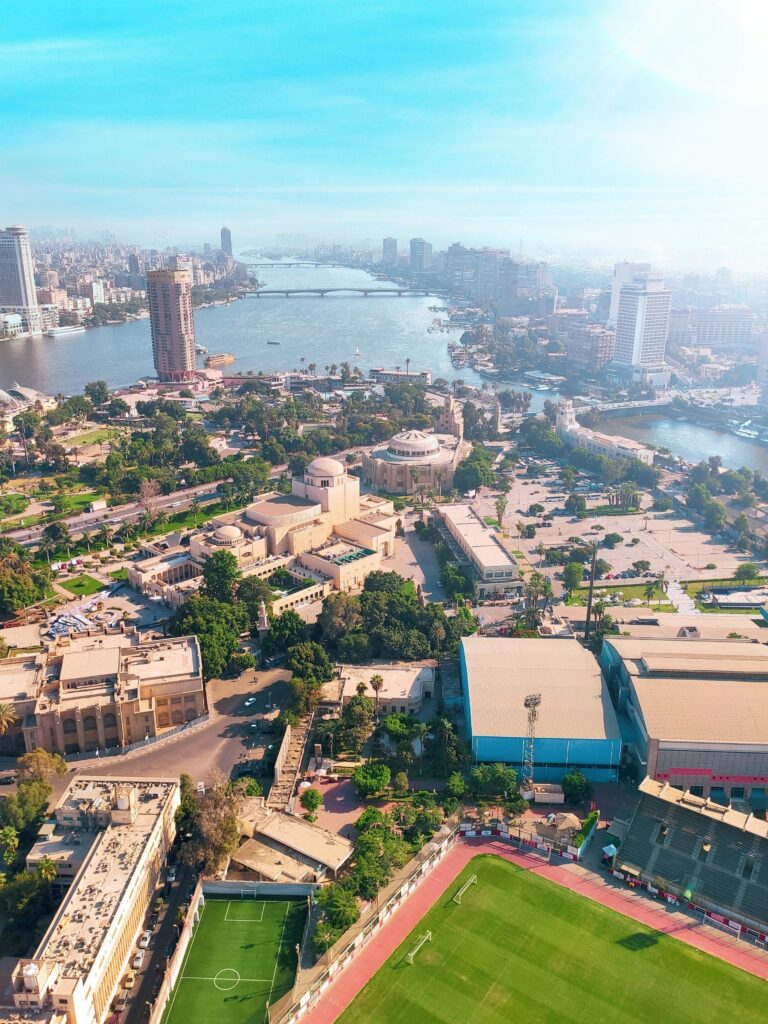
Cairo
The Nile and the Red Sea from Sphinx and Cairo International, plus the Gulf, the Levant, Nairobi and the Greek islands. Permits and handling do most of the work.

Nairobi
Wilson and Jomo Kenyatta to the coast, the safari strips, Zanzibar, Dar es Salaam and Dubai. The Kenya permit at 72 business hours is the calendar.
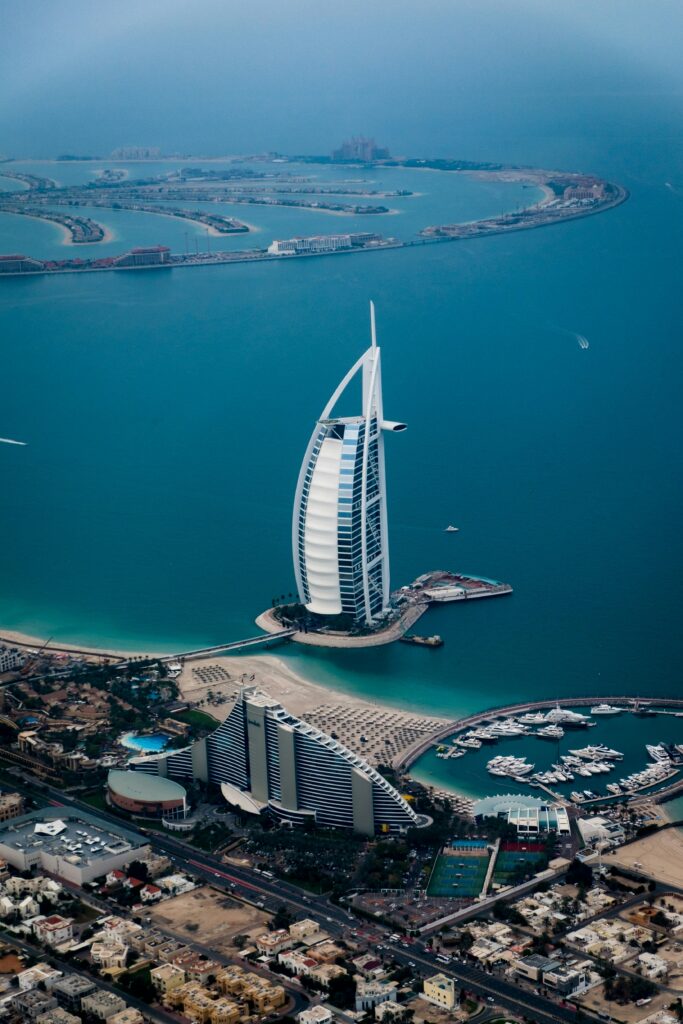
Dubai
From Al Maktoum and Dubai International to the Gulf capitals, London, Istanbul and the Maldives, where the slot and the permit set the timetable.

Saudi Arabia
Riyadh to Jeddah, London and Istanbul: the domestic run to the Red Sea, the long sector to the London fields and the Bosphorus, all on the Saudi permit the desk files through its local agents.
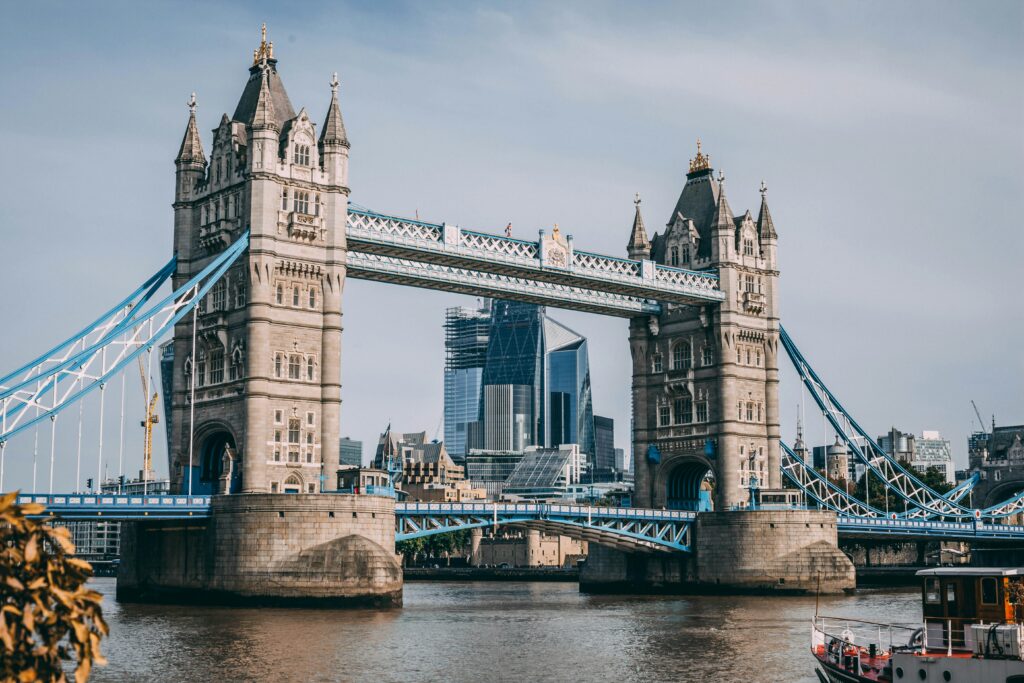
London
Farnborough, Luton, Biggin Hill and London City to the Alps, Paris, the Mediterranean and Cairo. The London field follows the address.
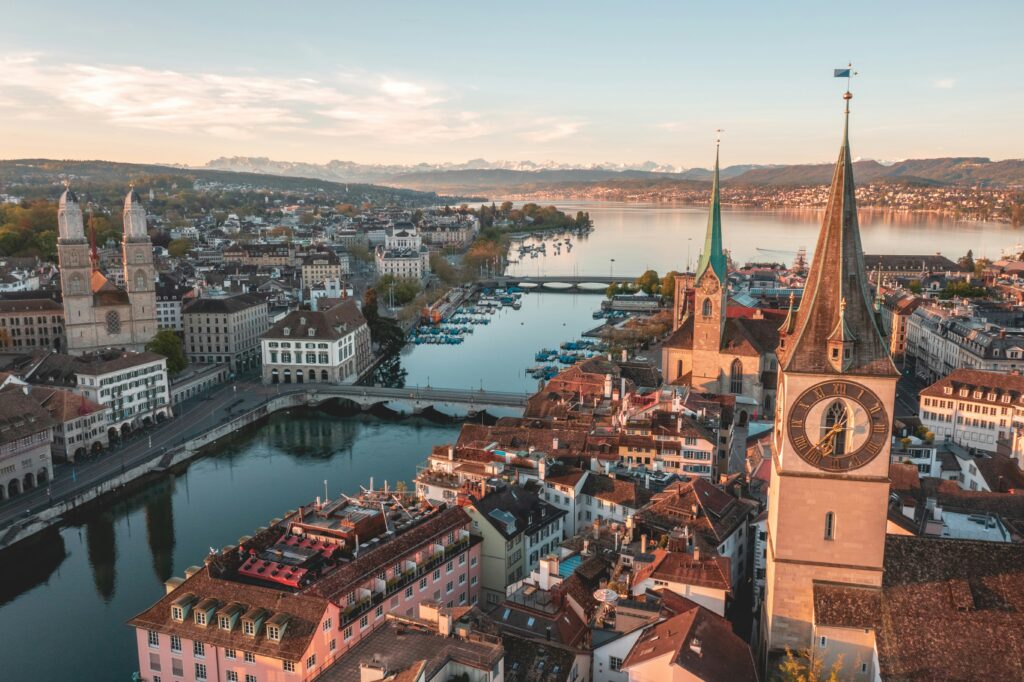
Zurich
From Zurich Airport to London, Paris, Milan, Geneva, the Riviera, Mykonos, Cairo and New York, inside a slot-coordinated airport with a 2145 charter curfew.
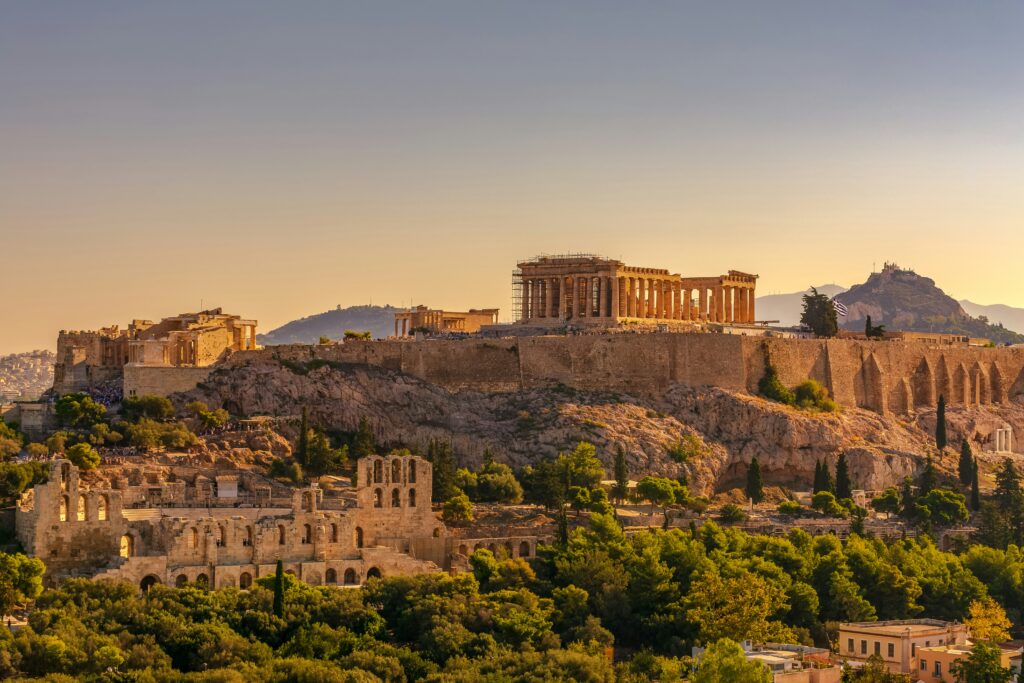
Athens
The islands by helicopter from Athens International and Megara: the Cyclades, the Dodecanese, Crete, Corfu and the Peloponnese resorts, where slots and pads are the constraint.

Italy
Rome, Florence, Milan, Olbia and Nice to each other and to Geneva, Zurich, London and Paris. A country hub with five origins and the Costa Smeralda at its centre.

Mykonos
The island desk: fourteen helicopter hops from Mykonos to Santorini, Paros, Naxos, Patmos, Hydra and the rest of the Cyclades, from the airport pad or a beach club helipad, sunrise to sunset.
Flight times and distances are great-circle figures, and airport facts are checked against the national aeronautical publications, ICAO and EUROCONTROL.
Before you book
The Language of Private Jet Routes
The words that decide how a sector is planned and priced, defined once and used the same way in every guide, so a sector time, a positioning leg or a curfew means exactly one thing wherever you read it.
- Sector time
- The time the aircraft is airborne between the two fields, which is what every route page quotes. Add fifteen minutes at a general aviation terminal at each end and the drive, and you have the door-to-door number. Sector time changes with the aircraft class, the wind and the routing.
- Positioning leg
- The empty flight that brings the aircraft to you or takes it home afterwards. It is paid for whether or not you are on board, which is why an aircraft already based at your departure airport is cheaper than one that must come from elsewhere, and why the desk checks both ends.
- Round trip or two one-ways
- A round trip keeps the aircraft and crew with you and is usually right for a day or a short stay. Two one-way flights, often on different aircraft, are usually right for a week or more, because the aircraft does not sit idle. Every route page says which shape the sector usually takes.
- Slot
- A coordinated arrival or departure time at a Level 3 airport such as Athens, Geneva, Zurich, Linate, Luton or Dubai International. Missing the window can mean a penalty or a refusal, and in the peak weeks the slot is often the constraint rather than the aircraft.
- PPR
- Prior permission required: the airport’s consent to come at all, requested with the aircraft type, the time and the parking. Farnborough and Biggin Hill run on it, Santorini adds it to a slot, and it is not the same thing as a landing permit.
- Landing permit
- National authorisation to enter a country’s airspace and land, filed with the civil aviation authority. Egypt takes about four business days, Kenya 72 business hours, Mexico about ten days, Saudi Arabia and the UAE several. The route page for each international sector says which permits apply and who files them.
- Curfew
- The hours an airport will not accept a movement, or will not accept a charter movement. Geneva departures close at 2126, Zurich charter departures must be slotted by 2145, Farnborough closes at 2200 on weekdays and 2000 at weekends, and Santorini in season allows forty minutes on the ground. The desk plans the return inside the curfew.
- Handling
- The ground agent that meets the aircraft and arranges fuel, customs, parking and the passengers. Mandatory at most European, Gulf and African airports, arranged with the permit or the slot, and shown on the quote so the number covers it.
Questions
Questions we answer before a sector is quoted
How is the flight time on a route page measured?
Airborne time between the two fields for the aircraft classes that fly the sector, from the desk’s own flown trips and the great-circle distance. Add about fifteen minutes at a general aviation terminal at each end and the drive to get the door-to-door figure.
Why are there no prices on the route pages?
Because a charter price is quoted for a date, an aircraft and a trip shape, and a number published for a sector would be wrong for most of the people reading it. Every route page explains what moves the number instead, and the desk quotes the real figure for your dates.
What determines the cost of a sector?
The aircraft class, whether the trip is a round trip or two one-way flights, the positioning legs, any permits, slots, handling and parking, how long the aircraft waits, and the dates against the peak weeks. The route page lists them for the sector and the quote states what it covers.
Can I fly a route in the reverse direction?
Yes. Every route page covers both directions and the desk quotes the reverse sector the same way, often with an aircraft already positioned at the other end. Put the reverse origin in the form.
Which routes need a landing permit?
Every international sector outside the countries that do not require one for these operations. Egypt, Kenya, Tanzania, Saudi Arabia, the UAE, Oman, Kuwait, Turkey, the Maldives and Mexico all need permits, filed by the desk with the trip. The United States, the United Kingdom, Switzerland, the EU countries and Greece need slots, permission or parking approval instead.
Why are the Athens routes helicopter transfers?
Because the Greek island airports in season give a jet a forty-minute slot and no parking, Paros and Naxos have no jet fuel, and Patmos and Amanzoe have no runway at all. A helicopter needs none of that, lifts from Athens International where the jet has parked, and lands at the airport helipad or a hotel pad with approval.
Which London airport do the London routes use?
Farnborough for the west and the country, Biggin Hill for the City with the six-minute helicopter to Battersea, Luton for the north under a Level 3 slot, and London City for the Square Mile in a steep-approach certified light or midsize jet. The desk picks the field for the address.
What is a positioning leg and do I pay for it?
The empty flight that brings the aircraft to you or takes it home. Yes, it is in the price, which is why an aircraft already based at your departure airport is cheaper and why the desk checks both ends before it quotes.
How much notice does a route need?
A few days is normal for most sectors once any permit is filed. The permit lead times set the floor: Egypt about four business days, Kenya 72 business hours, Mexico about ten days. Peak weeks, from Ferragosto to the Greek summer to the fashion weeks, need firm dates weeks ahead.
Can the aircraft wait for me at the destination?
On most sectors yes, for a day trip, and the quote covers the crew day and the parking. At the airports where parking is the constraint, Olbia and Nice in August, Mykonos and Santorini in season, Linate in fashion week, the desk confirms parking before the aircraft moves or prices a repositioning from the start.
Keep Exploring
More from the Aviation Library
Three more sections from the same desk, each written from the trips it books and files.
Airports
Airport Guides
Runways, permits, slots and handling for every field we fly into.
Aircraft
Aircraft Guides
Every cabin class, from very light jets to ultra long range and helicopters.
Questions
Private Jet Charter FAQs
The questions that reach the charter and trip support desk every week.
Pricing one of these routes?
Tell the desk the dates, the passengers and the sector. You get an aircraft, the paperwork filed and a number you can hold us to.