
The Aviation Library
Private Jet Airport Guides and FBO Information
Every private flight is decided at the airport before it’s decided in the air. The runway has to fit the aircraft, the ramp needs room to park it, customs has to be open when it lands, and the slot has to be confirmed before anyone books a hotel. These guides cover all of that, airport by airport, from the desk that plans those flights.
Most airport pages online are brochures. These are not. Every guide here was built from the source documents a dispatcher uses: the national aeronautical information publication, the FAA’s airport database for the United States, and the slot coordinator or civil aviation authority for the country concerned. Where our own earlier pages had a wrong runway length or elevation, the guide says so and gives the corrected figure. Start with the country cards below, or go straight to the terms and questions that decide an airport choice.
Browse by location
Private Jet Airport Guides by Country
From Cairo to Cyprus, Dubai to Dallas: the desk has handled private flights into every airport listed here. Each guide records what the charts leave out: the runway that actually fits the aircraft, the FBO worth using, how long the aircraft can park, when slots are needed and where customs clears.
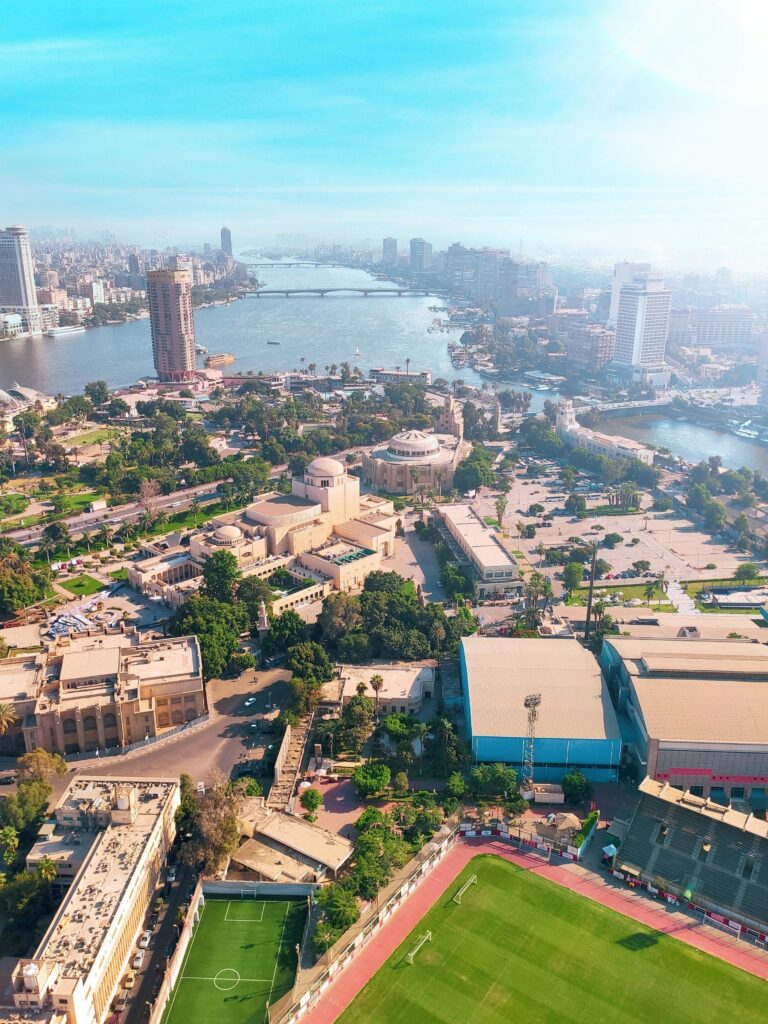
Egypt
Cairo and the Nile and Red Sea fields, an operating environment where permits and ground handling do most of the work.

Kenya
Nairobi and the coastal and safari fields, including the general aviation airport most charters actually use.
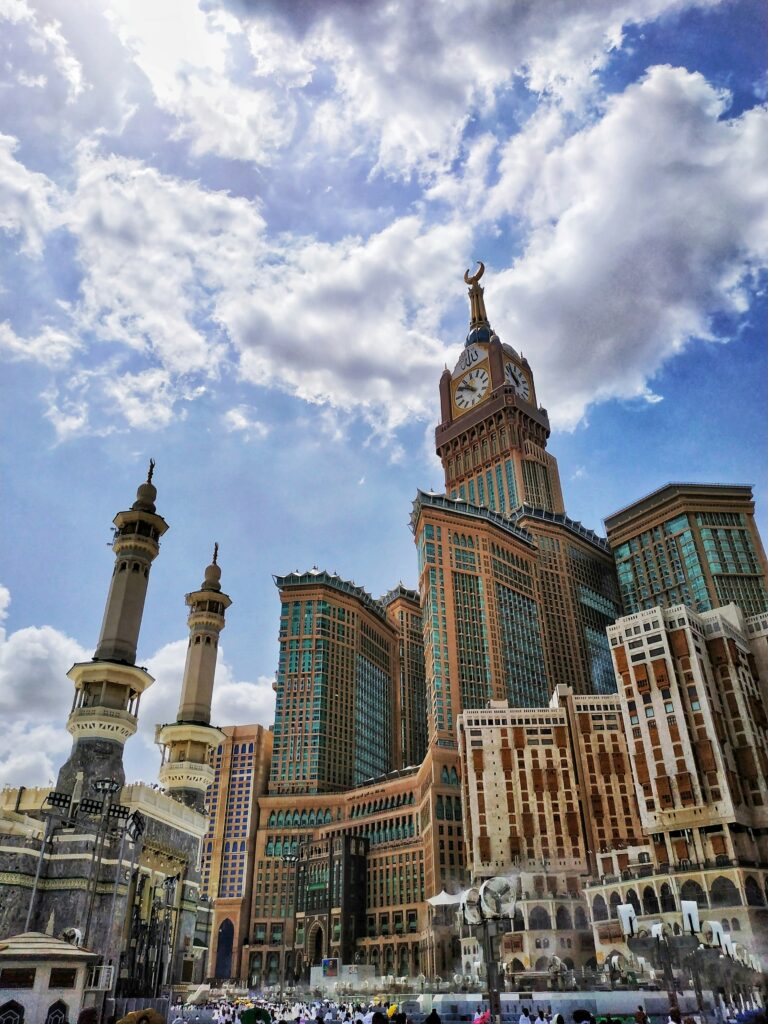
Saudi Arabia
The Kingdom’s main international gateways, where landing authorisations and permits decide the schedule.

United Arab Emirates
Dubai and Abu Dhabi, including the dedicated business aviation fields that avoid the main hubs.

Lebanon
One airport, one country: Beirut Rafic Hariri, with a landing permit and parking slot that are both mandatory and an alternate that has to be planned outside Lebanon.

Maldives
One runway for the whole country: Velana at Male, with a landing permit filed ahead, parking confirmed rather than assumed, and the seaplane terminal on the same island for the resort leg.
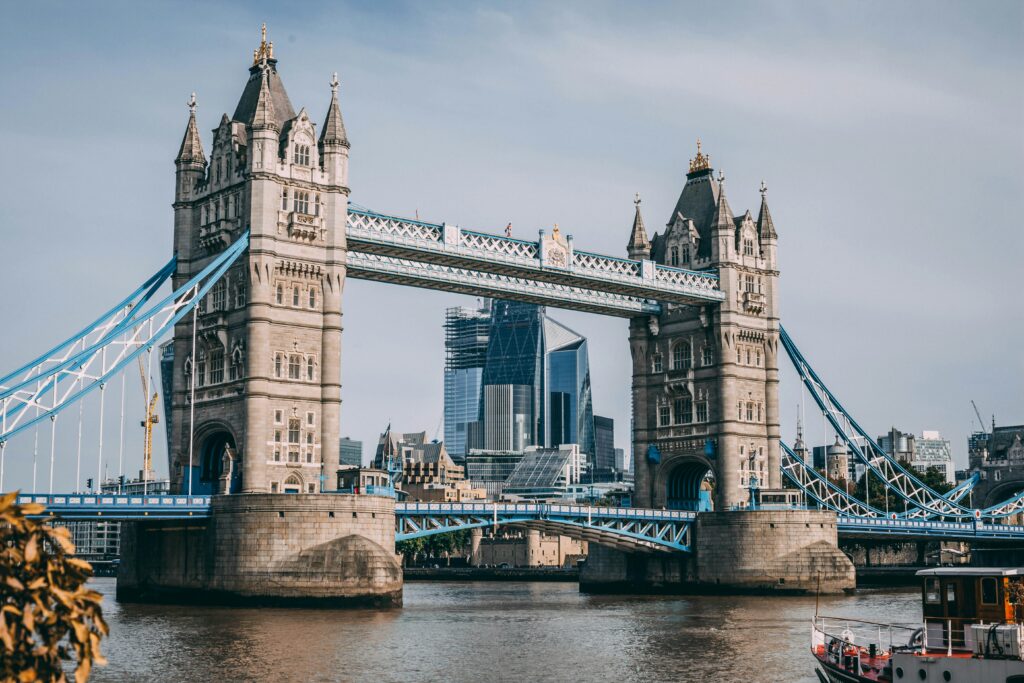
London
Ten airports serve the London catchment and they are not interchangeable. Two are built for business aviation, one is a military field, two are general aviation fields, and one has an approach that rules out much of the fleet.

Greece
Athens plus the island fields that decide a Greek summer itinerary, where slots and parking are the constraint rather than runway.

Switzerland
Geneva, Zurich and the smaller Alpine fields that serve the ski season and the finance calendar.
Ireland
One airport that matters to business aviation: Shannon, open 24 hours with no slots, and the only United States preclearance for private aircraft outside the Americas.
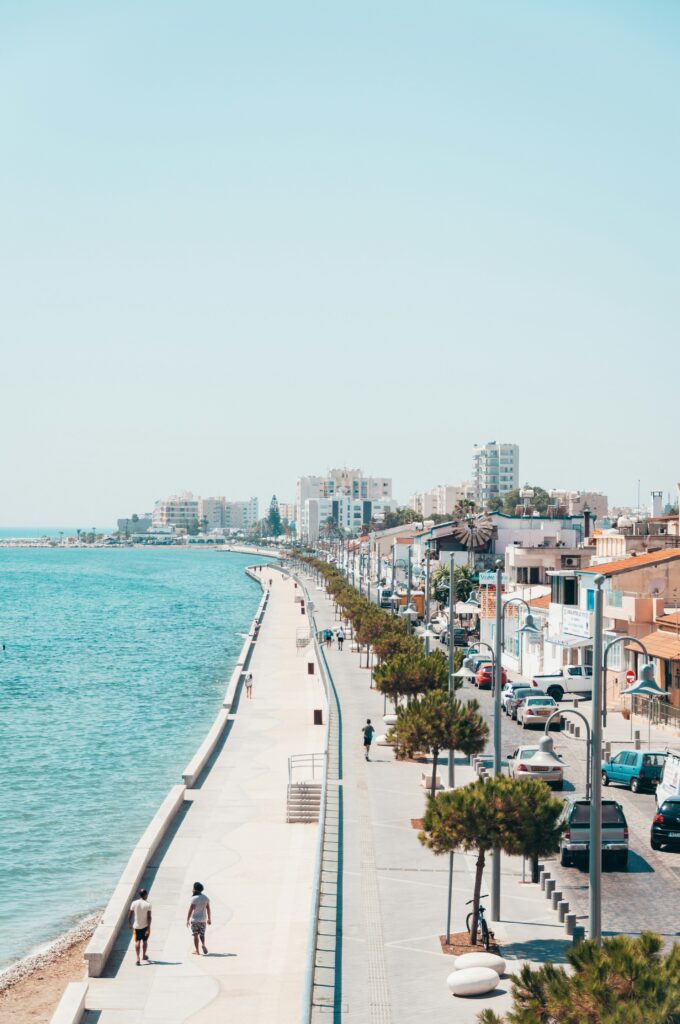
Cyprus
Larnaca is the gateway, with the only FBO on the island, customs at all hours and no permit for private flights; Paphos serves the west, and Ercan is reachable only from Turkey.

United States
Two real clusters and four singles: the Colorado ski fields where altitude and capacity move traffic between five airports, and the five Dallas fields around our home base.

Mexico & Central America
Resort and city fields across Mexico, Costa Rica and the Caribbean, where customs and handling vary sharply between airports.
Runway, elevation and code facts across the guides are checked against the UK AIP (NATS), FAA aeronautical information, Hellenic Civil Aviation Authority, Egyptian Civil Aviation Authority, UAE GCAA, GACA Saudi Arabia, skybriefing (Swiss AIP), Kenya Civil Aviation Authority publications and Icarus Jet operations data.
Before you choose
The Language of Private Jet Airports
The words that decide whether an airport works for a trip, defined once and used the same way in every guide, so a PPR, a slot or a fire category means exactly one thing wherever you read it.
- PPR
- Prior permission required. The airport must approve your arrival before you file, usually with an aircraft type, ETA and parking request. It is not a slot. A PPR airport can still be full.
- Slot
- A specific arrival or departure time allocated by a coordinator, needed at IATA Level 3 airports such as Heathrow, Athens or Dubai International. Missing a slot window can mean a fine or a refusal. Slots and PPR can both apply at the same field, as at Mykonos.
- Fire category
- The ICAO rescue and firefighting rating of the airport, from 1 to 10, set by the largest aircraft it routinely protects. A business jet needs Category 6 or 7 as a rule; a Category 4 field like Syros limits what can land. US airports use FAA Index A to E instead.
- TORA
- Take-off run available, the declared distance a departing aircraft may use. It can be shorter than the physical runway, which is why our guides quote the physical length and note the TORA when it differs.
- Landing permit
- National authorisation to enter a country’s airspace and land, issued by the civil aviation authority (ECAA in Egypt, AFAC in Mexico, GACA in Saudi Arabia, KCAA in Kenya). It is separate from a slot and separate from PPR.
- Handling
- The ground agent that meets the aircraft, arranges fuel, customs and passengers. Mandatory at many European and Middle Eastern airports; optional at most US fields, where a single FBO does the job.
- Customs port of entry
- Whether an international arrival can clear customs on the field. Aspen cannot; aircraft clear at Eagle or Denver first. User-fee airports in the US charge for the service.
- Density altitude
- The effective altitude the aircraft performs at once temperature is added to elevation. At Aspen, Querétaro or Nairobi on a warm afternoon it decides the payload, which is why the guides quote elevation with the runway.
Questions
Questions we answer before an airport is chosen
Can a private jet land at any of these airports?
No. Six of the 79 are light-aircraft, military or closed fields, and several others limit aircraft by runway length, width or fire category. Each guide states the practical limit.
What is the difference between a slot and PPR?
A slot is a coordinated arrival or departure time at a Level 3 airport. PPR is the airport’s permission to come at all. Some fields, such as Mykonos and Northolt, need both.
How far ahead is a landing permit filed?
Egypt about four business days, Mexico about ten, Saudi Arabia and Kenya several. The United States, United Kingdom, Switzerland, Greece and Costa Rica need no national permit for these operations, though slots, PPR or parking permission may still apply.
Why does elevation matter for a jet?
Thinner air at altitude lengthens the take-off run and cuts payload, and warm afternoons make it worse. Aspen, Querétaro, Centennial and Nairobi’s fields all carry this in their guides.
What does a fire category limit?
The size of aircraft the airport is equipped to protect. A Category 4 or 5 field limits business jets; Category 7 and above takes the whole business aviation fleet.
Is ground handling mandatory?
At most European, Gulf and African airports yes; at most US airports no, where a single FBO does the job. The guide for each field says which.
Which London airport should a private jet use?
Farnborough for most business aviation, Luton or Biggin Hill for cost and access, Northolt for the west of the city, and London City for the Docklands if the aircraft is approved for its steep approach. Heathrow, Gatwick and Stansted only when a scheduled connection demands it.
Which Cairo airport should a private jet use?
Sphinx for most private arrivals, the Pyramids and west Cairo. Cairo International when a scheduled connection, east Cairo or maintenance support is involved. Either way, Egypt requires a landing permit issued by the ECAA, filed about four business days ahead, and ground handling is mandatory at most African airports. Each airport’s guide states the practical detail.
Can you clear customs at Aspen?
No. Aspen has no customs facility, so international arrivals clear at Eagle or Denver before continuing. Aspen also sits at altitude, where thinner air and warm afternoons lengthen the take-off run and cut payload, so the guide quotes elevation with the runway. Our ground handling team arranges FBOs, permits and supervision at both fields.
When are the Greek island airports hardest to get into?
June to September, when Level 3 slots at Mykonos, Santorini, Paros and Skiathos are contested and handling is mandatory. Book slots as early as the coordinator allows.
Keep Exploring
More from the Aviation Library
Three more sections from the same desk, each written from the trips it books and files.
Trip support
Trip Support & Ops
Region, country and discipline hubs from the trip support desk.
Routes
Charter Routes
Flight times, aircraft and permits for the routes the desk flies.
Aircraft
Aircraft Guides
Every cabin class, from very light jets to ultra long range and helicopters.
Flying into one of these airports?
Our ground handling team arranges FBOs, permits and supervision at 3,000+ airports worldwide.