
Zurich
Airport
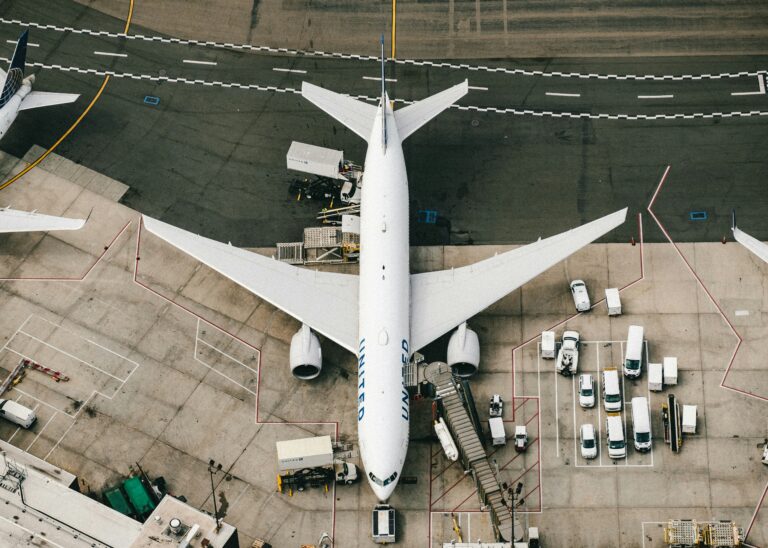
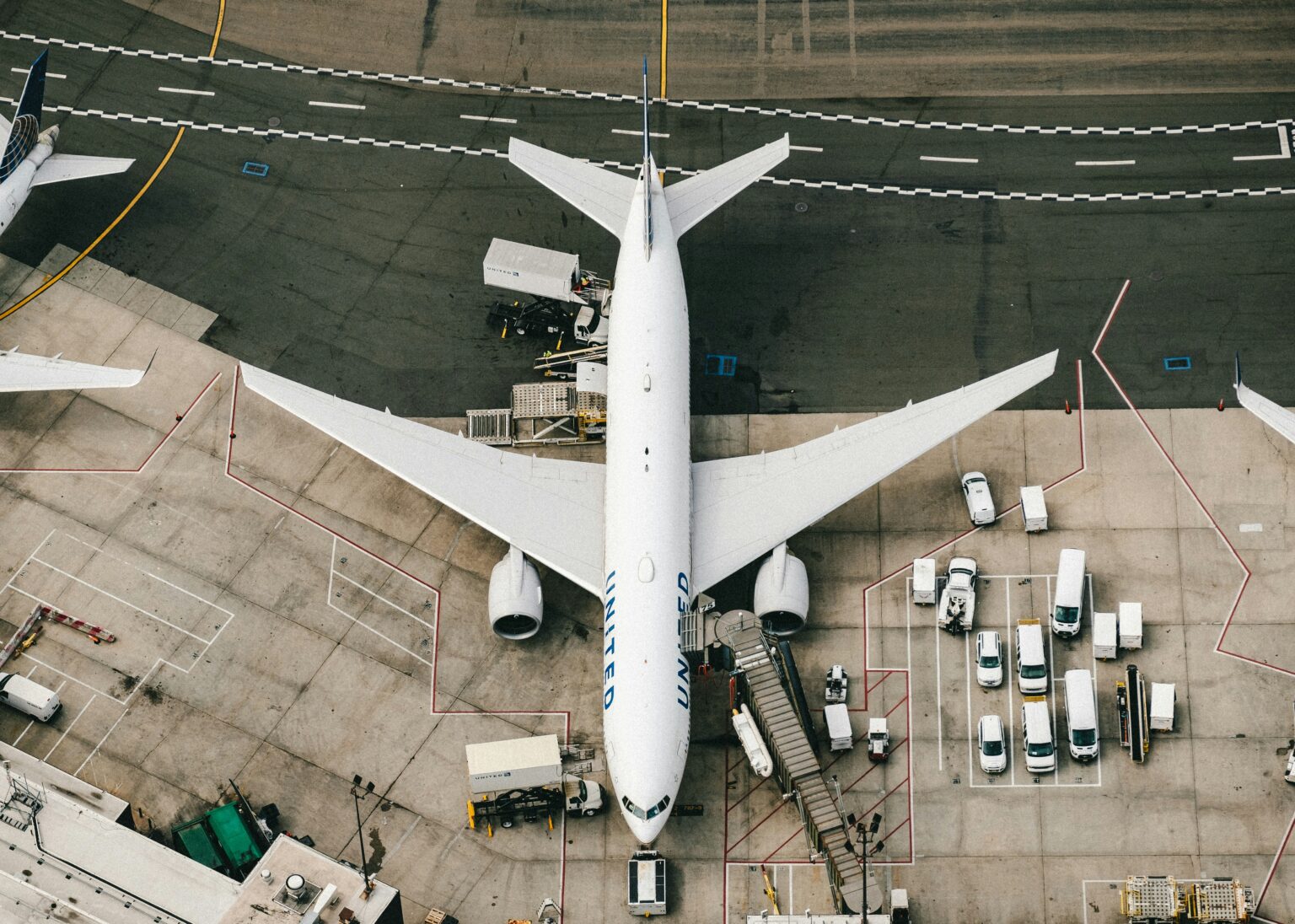
Switzerland’s largest airport and the country’s principal gateway. Three runways, Category 10 fire cover and rail to anywhere. Also slot coordinated, curfewed at night, and organised entirely around the airlines. Our Zurich private jet guide covers the runway, handling, permissions, parking and customs for crews and charter clients.
Reviewed by Kevin Singh, Founder · Fact-checked against Icarus Jet fleet and airport operations data · Last updated 10 September 2026
The Airport
Zurich at a glance
Zurich carries the ICAO code LSZH and the identifier ZRH. It sits nine kilometres north of the city centre, spread across the municipalities of Kloten, Rumlang, Oberglatt, Winkel and Opfikon, and is the principal hub of Swiss International Air Lines.
For a private arrival the infrastructure is not the question. Three runways, full customs, fuel, and a rail station inside the airport with services across Switzerland and into Europe. The question is whether you can get the slot you want at the time you want it.
Chartering through Zurich? The Zurich jet charter page explains how the desk quotes the sector, and the large cabin jets guide covers the aircraft that fit the field.
Facts checked against the Zurich Airport official site and the skybriefing (Swiss AIP) publications, plus Icarus Jet operations data.
The Constraint
Slots and the night curfew
Zurich is a coordinated airport. A private flight needs a slot in the same way a scheduled service does, and requests should go in as early as the schedule is known. This is the practical difference between Zurich and a smaller Swiss field: a late change here is materially harder to absorb, and on a busy day it may not be possible at all.
The night curfew is hard and it starts earlier for charter than most people expect. Slot Coordination Switzerland publishes the curfew for slot allocation as 2300 to 0609 CET for arrivals and 2246 to 0544 CET for departures. An extended curfew then applies to charter flights, both series and ad hoc, as well as training and technical flights: the latest possible allocated departure slot is 2145 CET.
That is the number to plan against. A charter departure out of Zurich has to be slotted by 2145, roughly an hour before the general departure curfew and well over an hour before the last arrivals. The coordinator states plainly that the night curfew regulation allows no exceptions.
Ground handling is mandatory and goes through an approved agent. That is standard for a Swiss airport of this size and is not a cost problem, but it makes handling part of the booking rather than something settled on the ramp.
Taken together these are not obstacles so much as a different way of planning. Zurich rewards a schedule fixed early and punishes one that moves.
Runways
Three runways in a crossing layout
16/34 is the longest at 12,139 feet by 197 feet, in concrete. 14/32 is 10,827 feet and 10/28 is 8,202 feet. Nothing in business aviation comes close to needing the length available here.
The crossing geometry matters more than the individual figures. Runway direction at Zurich is governed by wind and by the noise rules that determine which directions may be used at which times of day, and the interaction between the two is part of why capacity here is tighter than three runways would suggest.
Field elevation is 1,416 feet. High enough to appear in a performance calculation on a warm day with a full cabin, but Zurich is a lowland airport by Swiss standards and elevation is not the planning problem it becomes at Samedan.
Fire cover is ICAO Category 10, the highest published category, and customs and immigration are permanently staffed.
History
The airport that exists because Dubendorf was rejected
Zurich’s commercial flying did not begin at Kloten. From 1909 mixed civil and military traffic developed at Dubendorf, northeast of the city, which was home to Swissair’s predecessor Ad Astra Aero from 1919 and to Swissair itself from 1932. The first scheduled international service left Dubendorf for Furth in Germany on 1 June 1922.
After the Second World War the canton had to decide whether to expand Dubendorf or build something new. In March 1943 the cantonal government commissioned a study, and the consortium led by Locher and Cie advised against Dubendorf, recommending instead the partly forested moorland between Kloten and Oberglatt. The reasoning was technical, and it was chiefly about the difficulty of running a shared military and civil airfield.
The Federal Military Department agreed in August 1943 to give up the armoury site there. Three successive versions of the project followed, each cheaper than the last, and the government approved the third on 31 July 1944 at 54.4 million francs across 215 hectares. Zurich opened in 1948, and civil aviation left Dubendorf for good.
That decision is why Switzerland’s main airport is at Kloten and why Dubendorf, nine kilometres away, is a military base to this day.
Nearby
Zurich and the Swiss fields
Switzerland is small enough that the choice of airport is almost always about ground time rather than flight time.
Geneva for the west, Lake Geneva and the Alps. Basel Mulhouse for the north and the trinational corner, with the useful trick of choosing your arrival country. Buochs for central Switzerland and Lake Lucerne, frequently quicker than Zurich despite being the smaller field. Samedan for St Moritz and the Engadin, if the aircraft and the crew qualify. Lugano for Ticino, Lake Como and the Italian side. Dubendorf is nine kilometres away and is not an option: it is a Swiss Air Force base.
Airport guides & index
Questions
Zurich, answered
Can private jets use Zurich Airport?
Yes. Zurich handles private traffic alongside a very large scheduled operation, and the infrastructure is excellent: three runways, the longest at 12,139 feet, ICAO Category 10 fire cover, full customs and fuel, and rail connections across Switzerland and Europe from the airport itself. What Zurich does not offer is flexibility. Private movements are fitted around airline operations rather than the other way round.
Does Zurich require a slot?
Yes. Movements at Zurich are coordinated and a private flight needs its slot in the same way a scheduled service does. Requests should go in as early as the schedule is known. A late change is materially harder to accommodate here than at a smaller Swiss field, and that difficulty is the single most common reason a Zurich plan has to move.
Is there a night curfew at Zurich?
Yes, and it allows no exceptions. Slot Coordination Switzerland publishes the curfew for slot allocation as 2300 to 0609 CET for arrivals and 2246 to 0544 CET for departures. Any movement inside that window needs a special permit rather than a request.
What is the latest a charter can depart Zurich?
The latest possible allocated departure slot for a charter flight is 2145 CET. An extended curfew applies to charter operations, both series and ad hoc, as well as to training and technical flights, and it bites roughly an hour before the general departure curfew at 2246. This is the single most commonly missed constraint at Zurich, because crews plan against the published curfew rather than the charter one.
How strictly is the Zurich slot enforced?
Strictly. The filed flight plan is expected to match the allocated slot, and Zurich is known among coordinators for tight adherence rather than tolerance. Combined with a no-exception curfew, that means a Zurich schedule wants building with margin rather than optimism.
Is ground handling mandatory at Zurich?
Yes. Handling has to go through an approved agent. That is normal for a Swiss airport of this size and it is not a meaningful cost driver, but it does mean the handling arrangement is part of the booking rather than something arranged on arrival.
How many runways does Zurich have?
Three, in a crossing layout. 16/34 is the longest at 12,139 feet by 197 feet. 14/32 is 10,827 feet. 10/28 is 8,202 feet. The crossing geometry is part of why Zurich’s capacity is sensitive to wind and to the noise rules governing which directions may be used at which times.
What is the elevation at Zurich?
1,416 feet. High enough to matter in a performance calculation on a hot day with a full cabin, but not a constraint in the way an Alpine field is. Zurich is a lowland airport by Swiss standards.
Where is Zurich Airport?
Nine kilometres north of central Zurich, spread across the municipalities of Kloten, Rumlang, Oberglatt, Winkel and Opfikon in the canton of Zurich. The rail station is in the airport, with direct services to Zurich main station and onward across Switzerland and into Europe, which for many trips beats arranging ground transport.
Why was Zurich Airport built where it is?
Because the alternative was rejected. Zurich’s commercial flying began at Dubendorf, which the canton considered expanding after the Second World War. In March 1943 the cantonal government commissioned a study, and the consortium that produced it advised against Dubendorf and recommended the moorland between Kloten and Oberglatt instead, largely because of the difficulty of running a shared military and civil field.
Is Zurich or Geneva the better arrival for Switzerland?
It depends on where you are going, and the two are less interchangeable than they look. Zurich serves German-speaking Switzerland, the financial district and the east. Geneva serves the west, the Lake Geneva region and, decisively, the Alps. In the ski season Geneva is under pressure that Zurich is not. For central Switzerland, Buochs is often quicker than either.
What are the alternatives when Zurich is full?
For central Switzerland, Buochs on Lake Lucerne is genuinely closer for a good number of destinations and has no slot requirement, though it has no de-icing and its customs needs a day’s notice. Dubendorf is nine kilometres away but is a military air base and not available for ordinary charter. During the World Economic Forum the whole Zurich area tightens considerably and parking becomes the binding constraint.
What happens around the World Economic Forum?
Davos generates a concentrated surge of private traffic into the Zurich area every January, and overnight parking restrictions have applied at Zurich in past years. Dubendorf takes overflow parking for private and government aircraft during the forum. If you are flying into the WEF, the parking plan matters more than the slot, and both want arranging a long way ahead.
Is there customs at Zurich?
Yes, Zurich is a full international airport with permanent customs and immigration. That is worth stating because it is precisely what the smaller Swiss fields do not have. At Buochs customs needs 24 hours notice and 48 at weekends. At Zurich it is simply there.
What time zone is Zurich in?
Zurich is on Central European Time, CET in winter and CEST in summer, which is UTC+1 and UTC+2 respectively. The night curfew is published in CET, with arrivals closing at 2300, departures at 2246 and the latest allocated charter departure slot at 2145. The desk files the slot in UTC and confirms it sits outside the charter curfew.
Can private jets land at Zurich Airport?
Yes. Zurich Airport has a 12,139 foot runway, is slot coordinated and handling is mandatory. A private flight needs its slot in the same way a scheduled service does, and the latest charter departure slot is 2145 CET with no exceptions, so the schedule wants fixing early. Our desk files the permission and handling before the aircraft departs.
Do private flights need a slot or PPR at Zurich Airport?
Yes. Zurich Airport is slot coordinated, so every private movement needs an allocated slot. We file the slot request with the handling booking and confirm it before the aircraft is positioned.
Flying into Zurich Airport on your own aircraft? Our trip support desk files the permission, handling and fuel before you ask. Chartering instead? See the Zurich charter routes we fly.
Get Your Number
Request a Zurich charter
Send the aircraft, the dates and the times you actually need. We will file for the slot as early as the schedule allows, confirm the arrival or departure sits outside the night curfew, and arrange the mandatory handling before the trip is committed.
Prefer to talk? Call +1 888 277 7203 or email charter@icarusjet.com. The desk is staffed 24/7, or send the trip online.