For U.S. private jet crews, flying into China in 2026 is less about distance or infrastructure and more about process. With all the necessary infrastructure in place, China remains a tightly controlled operating environment for business aviation. Unlike other operating environments where the mission would define everything that follows, here, everything must be defined by regulatory requirements first.
Today, the requirements for sequencing and documentation for flying in China are stricter than in previous years. The aircraft must be pre-approved; permits follow strict timelines, and flexibility once approvals are issued is extremely limited.
Start with aircraft registration, not the flight
The most crucial step in planning an operation in China is aircraft registration. All aircraft have to go through the registration process before the permit application.
This requirement applies across private, business, and charter operations, and it is non-negotiable.
If the aircraft is not previously registered in the China Civil Aviation Authority preflight system, registration should be conducted no less than five business days before the intended mission.
Without prior registration, the permit application process cannot even be started.
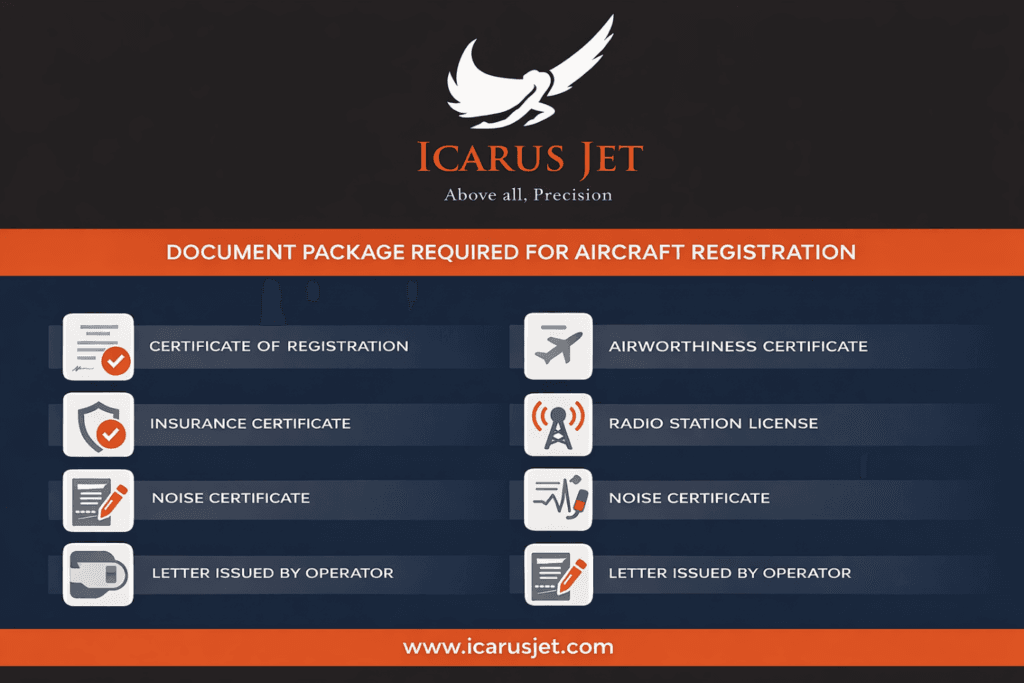
Registration of the aircraft will ensure its eligibility for future use in China’s airspace; however, for every trip, separate authorization must be provided for specific routes and mission profiles.
From the U.S. crew’s perspective, aircraft registration should be the first item on the list. The trip should be designed around the aircraft.
Permits follow strict deadlines
Once the aircraft is registered, a permit application can be submitted.
Depending on the mission type, permit approval may take 7 to 10 working days.
The reason for the delay is the need to coordinate with multiple authorities, including CAAC, the State ATC Commission, and the Chinese Air Force, among others. The permit process is layered, and every step must be completed.
However, once the permit application is approved, any changes to schedules or routing are not allowed.
This is another significant difference between China’s operating procedures and those used in other countries. In case of any modifications, the crew will need to reapply for all approvals, including permit approval and airport clearance.
Thus, for U.S. crews, mission planning in China is a completely different ball game.
The vast majority of the mission planning has to occur way before the filing of the operation.
You might also like our dedicated China Trip Support webpage
Crew visas depend on how you enter China
While a crew may think about visa requirements when planning an operation in China, they actually need to be considered much earlier.
In most cases, the flight crew requires a C visa, as it allows them to stay in China and conduct flight activities in accordance with CAAC requirements.
However, in some cases, depending on the route or the crew member, a different visa may be required.
As soon as a crew member enters China by other means than the aircraft he or she flies on, chances are a C visa will not be accepted. Other types of visa, including a business visa or even a tourist visa, are preferred in this scenario.
It should also be noted that U.S. citizens may enter and stay in China for up to 15 days without a visa under the visa waiver program. However, it should be applied exclusively to transit purposes.
Thus, when planning an operation in China, it is crucial to check the crew member’s itinerary and identify appropriate visas.
Airport selection is driven by compliance
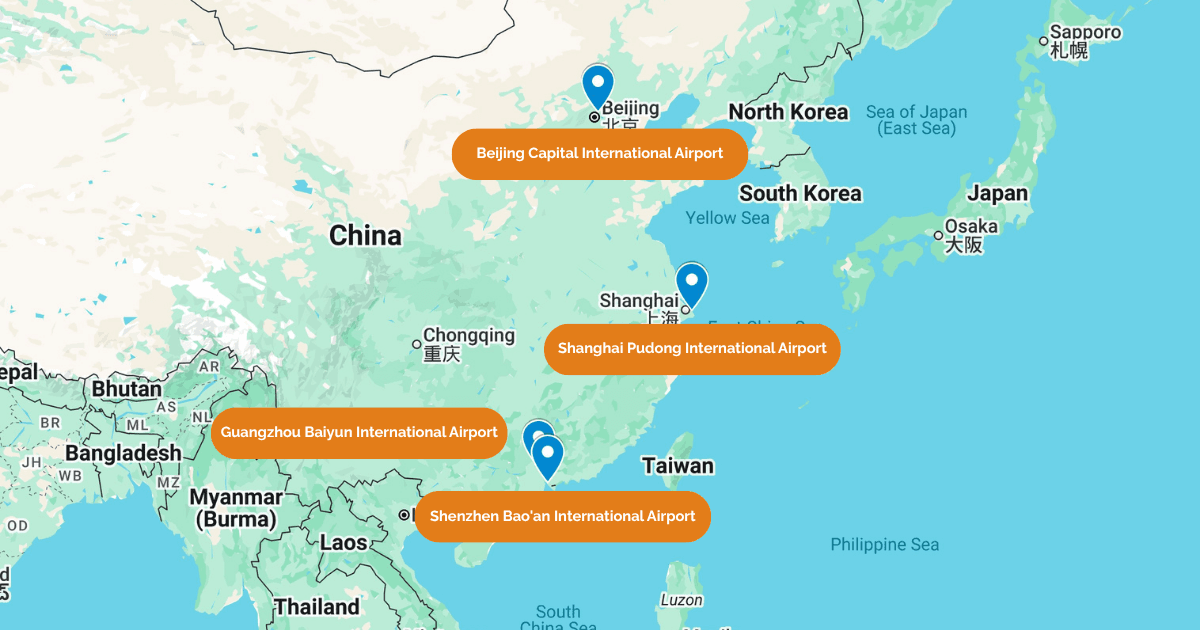
When selecting an airport for an operation in China, a crew may want to choose the one closest to the destination city. Unfortunately, the selected airport must meet certain criteria and may not have an ideal geographic location.
In some cases, an airport may not be designated as an airport of entry. In other words, it may have specific operating hours for customs, immigration, and quarantine services.
Even at major airports, parking and slot availability must be checked in advance.
And finally, if a crew wants to select a secondary airport in China, it might require additional preparations. At airports such as Zhanjiang, operations may require local government sponsorship, formal letters tied to each location, and confirmation of CIQ availability. Parking may be available, but only if requested early. Passenger ramp access and VIP handling can also be limited depending on the airport.
For U.S. crews, this means that airport choice is part of the regulatory planning process, not just a logistical decision.
Navigator and crew requirements
Finally, a trip into China might require a navigator or safety pilot aboard due to various restrictions. These include non-primary airport requirements and certain crew qualification requirements.
The navigator plays an active role in an operation, supporting the flight crew with air traffic services, procedural compliance, and alignment with local operational standards.
Finding a safety pilot or navigator in China and coordinating their participation will require providing documentation, such as certification letters and employer-issued guarantees confirming operational support.
For U.S. crews unfamiliar with this structure, it can seem like an added layer of complexity. In practice, it is a standard component of operating in parts of China and should be planned accordingly.
Operational planning must happen early
The complexity of China operations does not come from any single requirement. It comes from how all requirements connect.
Aircraft registration, permit timelines, visa selection, airport feasibility, crew requirements, and local approvals must all be aligned before submission. Each element depends on the others being correct.
This removes the ability to rely on reactive planning.
For U.S. operators, it means that most of the operational work happens before the trip is filed. Once the permit is submitted, there is limited room for adjustment. Once it is approved, that flexibility becomes even more restricted.
This is why structured trip planning is essential. Not as an added service, but as a necessary part of operating in China.
What this means for us crews in 2026
For U.S. crews, flying into China in 2026 requires a shift in approach rather than a change in capability.
The aircraft can operate. The infrastructure is in place. The challenge is aligning with the system early enough to make the operation viable.
Trips need to be planned further in advance. Documentation needs to be complete before submission. Visa strategy needs to match the routing. Airport selection needs to reflect regulatory feasibility.
When these elements are aligned, operations into China become predictable and manageable.
When they are not, even simple missions can face delays.
The takeaway is straightforward. Plan earlier, validate every step, and treat approval as the final stage of a process that begins well before the flight is scheduled.
FAQs
How far in advance should a trip to China be planned?
Aircraft must be registered at least five working days before the mission. Permit approval typically takes seven to ten working days after that, making early planning essential.
Can a permit be requested without CAAC registration?
No. Aircraft must be registered in the CAAC system before any permit request can be submitted. Without registration, the process cannot begin.
Are schedule changes allowed after approval?
In most cases, no. Changes to timing or routing usually require a new permit application, which can impact on the entire schedule.
What visa do U.S. crew members need?
Typically, a C visa, but this depends on how the crew enters China. If entering on a commercial flight, a business or tourist visa may be required instead.
Is a Chinese navigator always required?
Not always, but it is common for operations into secondary airports or when specific crew qualifications are not met. Requirements should be confirmed during planning.