
The Aviation Library
Private Jet Guides by Aircraft Type
The right aircraft is the one that fits the trip, not the one already parked on the ramp. With no fleet of its own to fill, the desk sources from audited operators across every size of aircraft, from very light jets and turboprops to ultra long range types and helicopters. These guides are how it decides which one flies.
Each guide gives the range, seats, cabin, baggage and runway figures a client should ask about, names the variant they apply to, and says plainly where the type fits and what it is not the right tool for. The class hubs compare every model in a class side by side and say when to step up or down. Read the range against your longest leg, count the bags before the people, and if it still does not settle, send the trip and the desk will.
Browse by class
Private Jet Guides by Class
From very light jets to ultra long range, and the helicopters for the last mile: every class here is one the desk charters every week. Each hub puts the models in its class side by side, shows where one runs out of range, seats or hold space, and says when to step up or down before the trip is quoted.
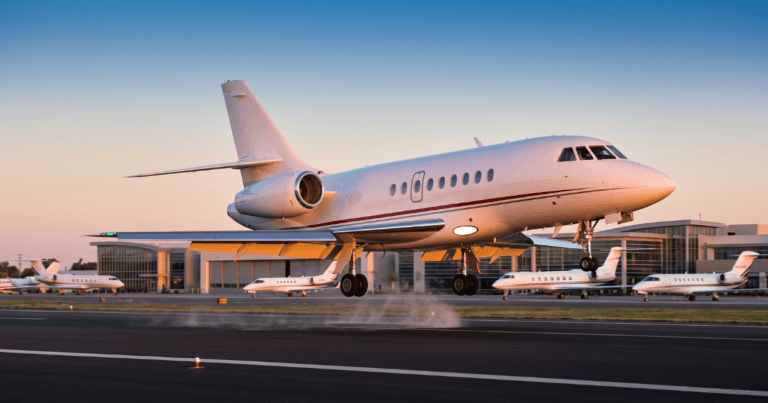
Very Light Jets
Two to five passengers on sectors of an hour or two, often single-pilot. The cheapest way to move a small party by jet, with the smallest cabins and holds in the library.
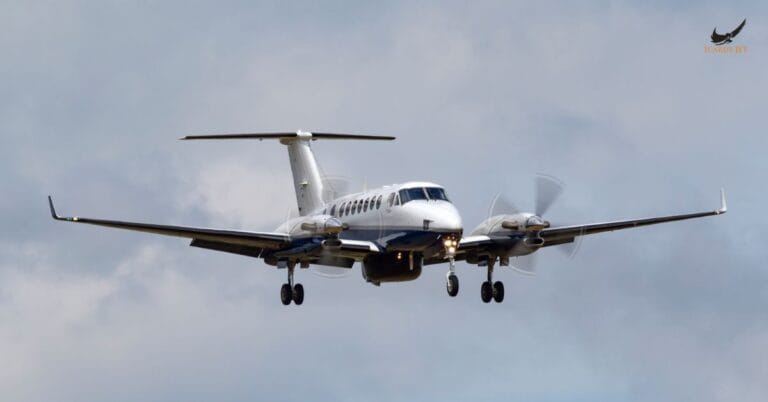
Light Jets
Six to eight passengers on regional business trips of up to three hours, from short runways. Includes the King Air turboprop and the Navajo Chieftain piston twin, labelled as such.
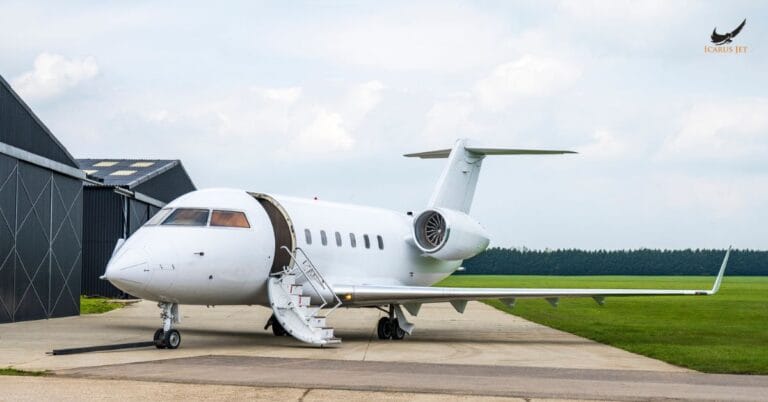
Midsize Jets
Seven to nine passengers on transcontinental legs, where a stand-up cabin and a real hold start to matter. The class most first-time charter clients end up in.
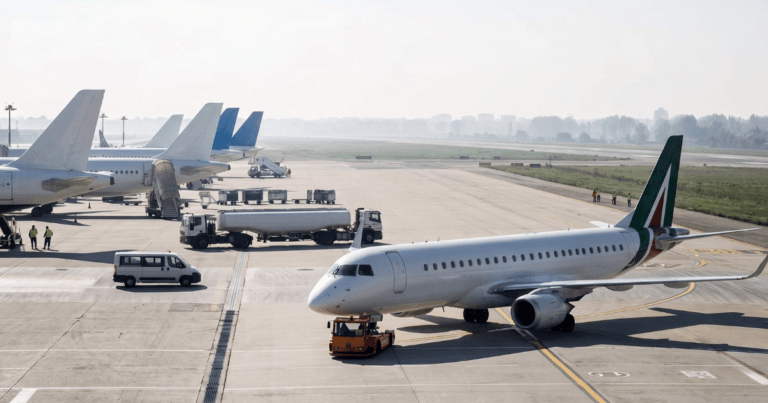
Super Midsize
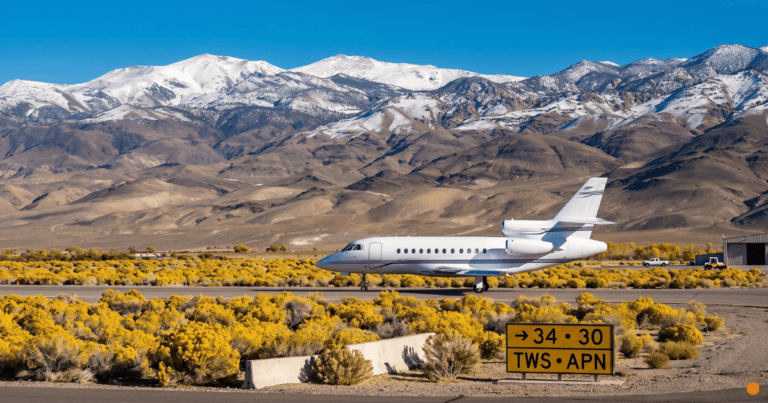
Eight to ten passengers on five to seven hour sectors: coast to coast with a full cabin, Europe to the Gulf, the Pacific to Hawaii. Flat floors, wide cabins, holds reachable in flight.
Large Cabin
Ten to sixteen passengers on transatlantic and intercontinental sectors, with three-zone cabins, two lavatories on some types and the largest holds in the library.
Ultra Long Range
The aircraft that fly almost any two cities nonstop: 5,950 to 7,000 NM, cabins built to sleep in, and the runway performance to use the airports the trip actually needs.
Helicopters
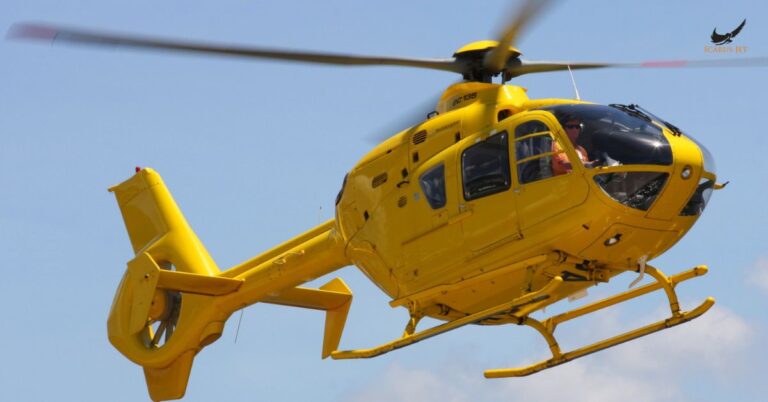
Three to seven passengers where the runway does not reach: Greek island hops, Riviera and city transfers, safari camps. Single or twin engine, daylight visual flying on most types.
Before you compare
The Language of Private Jet Aircraft
The words that decide whether an aircraft fits a trip, defined once and used the same way in every guide, so range, cabin class or takeoff distance means exactly one thing wherever you read it.
- Range
- The manufacturer’s maximum with a stated load and reserves, usually four passengers on NBAA IFR reserves and sometimes eight. It is a planning ceiling, not a promise: wind, temperature, a full cabin and the crew’s reserves all shorten it, and the desk plans every leg against the real conditions.
- Cabin class
- The size bands the desk’s charter form uses, from very light to ultra long range, plus helicopters. Manufacturers and charter sites draw the lines differently, so each guide says which class we place the type in and why.
- Stand-up cabin
- A cabin tall enough for most passengers to stand upright, roughly five feet eight inches and above. Light jets are below it, the Citation XLS is on the line, and every midsize and larger type in the library clears it.
- Flat floor
- A cabin with no dropped aisle between the seats. It adds usable width and makes moving about easier on a long sector. Only claimed in a guide where the manufacturer states it.
- Baggage
- Hold volume in cubic feet, with a note on whether the hold is pressurised and reachable in flight. Volume decides what fits; access decides whether a coat or a laptop bag has to be packed for the arrival.
- Takeoff distance
- The runway the manufacturer publishes at maximum weight at sea level on a standard day. Hot afternoons and high fields such as Aspen need more, which is what decides whether an airport is open to a given type on a given day.
- Variant
- The specific version a figure applies to: the Citation X+ rather than the original X, the Learjet 60XR rather than the 60, the Phenom 300E rather than the 300. Each guide names its variant, because charter fleets carry several.
- Type certificate
- The regulator’s record of what an aircraft type is approved to do: seating limits, weights, crew, ceiling. EASA and FAA data sheets are the source behind the figures the manufacturer does not publish.
Questions
Aircraft questions the desk gets
How are the aircraft guides organised?
By the cabin classes the desk uses on its charter form: very light, light, midsize, super midsize, large cabin, ultra long range, and helicopters. Each class has a hub page comparing every model in it side by side, and each model has a guide of its own. Two turboprops, the King Air and the Navajo Chieftain, sit in the light class and are labelled as such.
Where do the figures come from?
From the manufacturer’s published specification or brochure and the EASA or FAA type certificate data sheet, with Aviation Week and BCA pilot reports where the manufacturer no longer publishes a sheet. Each guide names the variant its figures apply to. Where sources disagree or nothing reliable survives, the guide says so and leaves the figure out.
Why are there no prices on the guides?
Because a published figure is wrong for most readers. The same aircraft type prices differently with the operator, where the aircraft is based, the dates, the airports and the taxes that apply. The guides explain what the aircraft does; the desk quotes your actual trip, itemised.
How do I choose between two classes?
Start with the longest leg and the number of people, then the bags. Transcontinental legs with a full cabin move a trip from light to midsize; intercontinental sectors move it from super midsize to large cabin. Each class hub has a pair of cards on when to step up or down, with the trade explained.
What does the range figure actually mean?
The manufacturer’s maximum with a stated load and reserves, usually four passengers on NBAA IFR reserves, sometimes eight. It is a planning ceiling, not a promise: winds, temperature, a full cabin and the reserves the crew carries all shorten it. The desk plans every leg against the real conditions before it quotes.
Which aircraft carry the most luggage?
In our set, the Legacy 600 and 650 at 286 cubic feet, then the Global 6000 and G650 at 195. Among the smaller types, the Legacy 500 and Praetor 600 at 155 cubic feet and the Legacy 450 at 150 stand out. Whether the hold is reachable in flight is stated on each guide, because that matters as much as the volume.
Can I stand up in a light jet?
Usually not. Cabin heights in the light class run from 4 feet 9 inches to 4 feet 11 inches; the Citation XLS at 5 feet 8 inches is the one light jet with a near stand-up cabin. Stand-up cabins begin in the midsize class, and every super midsize and larger type in our set has one.
When is a helicopter the right choice rather than a jet?
When the runway does not reach: island transfers, hotel pads and city sites within a couple of hundred nautical miles. Our helicopter guides run from the four-seat Robinson R44 to the seven-seat H130 and A109C, and each one states whether it is a single or twin engine and whether it is limited to daylight visual flying.
What about groups larger than the biggest cabin here?
The largest guides here seat up to 19 in their certified maximum, and charter cabins are usually configured for fewer. For teams, delegations and events beyond that, the desk arranges regional jets and airliners through our group charter service.
How does the desk pick the aircraft for a trip?
It checks range against the actual routing and baggage against the actual party before it checks availability, then sources the type from ARGUS-audited and Wyvern-certified operators and quotes all-in with every line itemised. The guides are written the same way, so what you read here is what the desk reasons from.
Keep Exploring
More from the Aviation Library
Three more sections from the same desk, each written from the trips it books and files.
Travellers
Flying Private
Guides for charter travellers, written from the trips the desk books.
Routes
Charter Routes
Flight times, aircraft and permits for the routes the desk flies.
Industry
Industry Insights
Private aviation as an industry rather than as a product.
Matching an aircraft to a trip?
Tell the desk the route, the dates and the passengers. You get the class that fits, a named aircraft, itemised pricing and the operator checks done.