
Nairobi
Charter Routes
Eight sectors from Nairobi, where the departure is calculated for the altitude and flown in the morning, the safari strips decide the aircraft, and the Kenya Civil Aviation Authority permit at 72 business hours sets the calendar.
Reviewed by Kevin Singh, Founder · Fact-checked against Icarus Jet fleet and airport operations data · Last updated 11 September 2026
Charter routes
Where can you fly privately from Nairobi?
Nairobi is the East Africa desk, the base for the coast, the safari strips and the sectors into Tanzania and the Gulf. Two fields serve the city: Wilson for turboprops and light aircraft into the strips and the coast, and Jomo Kenyatta for jets and for any trip that starts with an international arrival, both with customs at the aircraft. The first decision on every trip is the permit, because the Kenya Civil Aviation Authority approves each charter departure at 72 business hours and the Tanzanian permit is filed alongside it for Zanzibar, Dar es Salaam and the Serengeti. What flies from here falls into three kinds of sector: the domestic runs to Mombasa, Malindi, the Masai Mara and Amboseli on Caravans, King Airs and light jets, the international hops into Tanzania, and the five-hour sector to Dubai on a super-midsize or heavy jet, all planned for a morning departure because Nairobi sits above 5,000 feet. The eight routes below are the ones the desk quotes most, and each opens to its own guide with the flight time, the distance, the aircraft that fit and the airports at both ends.
Airport and airspace facts across these routes are checked against the Kenya Civil Aviation Authority publications and Icarus Jet operations data.
Where the routes go
The destinations behind the Nairobi routes
Mombasa
Kenya's multicultural coast: an Indian Ocean shoreline with a marine national park, old-town architecture, and the holiday coast at Nyali, Bamburi and Diani. Most guests come for the beach with diving, cultural trips and family holidays, and many pair it with Amboseli or the Masai Mara, which makes coast-and-safari the strongest pattern in Kenyan travel. Moi International is a port of entry with a 10,988 foot runway, customs, fuel and slots, and takes light, midsize and large aircraft.
Masai Mara
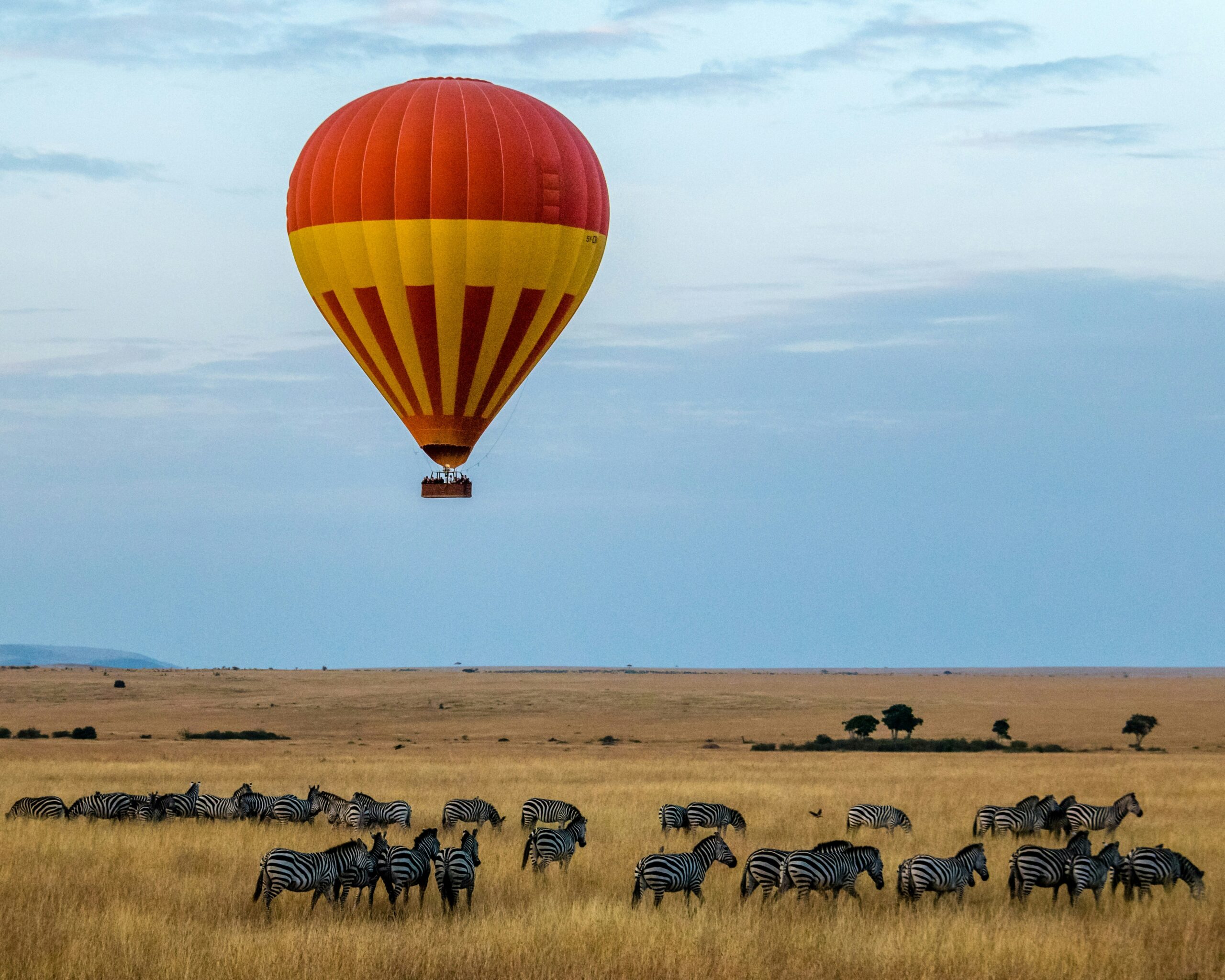
The reserve the world knows for its predators, its open savannah and the Great Migration season, with balloon flights over the plains and the lodges that anchor Kenya's safari market. The area runs on airstrips of about 5,200 feet rather than airports: no fuel, no slots, no customs, turboprops only. Most passengers are heading for the private conservancies around the reserve, where wildlife density is among the highest in East Africa.
Amboseli
Elephant herds and the view of Kilimanjaro. Travellers come for the photography, the wildlife and the private camps with an unobstructed line to the mountain, and often combine it with the Mara or Tsavo. The airstrip is about 2,871 feet with no fuel and no customs, which makes the Caravan the standard aircraft and puts a strict weight limit on bags.
Malindi and Watamu
The quieter coast: water sports, sport fishing, the Watamu Marine National Park, boutique hotels and a longer-stay rhythm than Mombasa. Malindi International is a port of entry with customs and fuel and runways of 4,600 and 3,549 feet, which takes light jets and turboprops. It sits naturally in an itinerary that runs Nairobi, Tsavo and the coast.
Seronera and the Serengeti
The central Serengeti's busy safari hub in Tanzania, for the migration and year-round big game, and a natural pairing with the Mara for anyone doing both sides of the ecosystem. The airstrip is about 5,080 feet of dirt, turboprops only, no fuel, no slots. Because it is a border crossing, the flight stops at Musoma for Tanzanian customs and immigration, about 45 minutes on the ground, before continuing.
Zanzibar and Dar es Salaam
The Tanzanian coast and its commercial capital, both international sectors with customs at the aircraft and the Tanzanian permit filed alongside the Kenyan one. Zanzibar is the beach week after the safari; Dar es Salaam is the business day trip between the two East African commercial capitals.
Operating notes
How the desk plans a Kenyan sector
Jet or turboprop
The runway decides it. Mombasa and Malindi have paved runways, fuel and customs, so a jet works and is the comfortable choice. The Mara, Amboseli and Seronera are short, unpaved strips, so a Caravan or a Pilatus PC-12 is the only answer, and it reaches places no jet can.
Runway performance
Anything under 5,000 feet gets a proper performance calculation for the day, and turboprops are preferred. Nairobi itself sits above 5,000 feet, so departures are calculated for the altitude and flown in the morning.
Fuel
Available at the main Kenyan airports, never at the wildlife strips. Crews plan the uplift in Nairobi or on the return leg, and the desk builds it into the quote.
Slots and customs
Mombasa requires slots; the strips do not. No safari strip has immigration, so a cross-border flight clears at an official entry airport, Musoma for Seronera, before landing at the strip.
Wildlife on the strip
Animals cross and graze near the runway at safari strips, so approach and departure include extra visual checks and a low pass when needed.
When to fly
Morning flights give the clearest views and the most stable air, especially for the coast and for the Kilimanjaro side. July to October and the Christmas weeks tighten aircraft availability, and the desk asks for firm dates a week or two ahead.
Airport guides
The airports behind the Nairobi routes
The fields these sectors leave from and land at, with runways, slots, permits and handling on their own guides, written by the desk that files the paperwork.
Questions
Nairobi charter route questions
Which Nairobi airport do private flights use?
Wilson for turboprops and light aircraft to the strips and the coast, Jomo Kenyatta for jets and for a trip that starts with an international arrival. Both are ports of departure with customs at the aircraft.
How long are the Nairobi sectors?
From about 45 minutes to the Masai Mara and Amboseli to about five hours to Dubai. Mombasa and Malindi are about an hour; Zanzibar, Dar es Salaam and the Serengeti an hour and a half to two.
What permit does a Nairobi flight need?
The Kenya Civil Aviation Authority permit at 72 business hours for every charter departure, and the Tanzanian permit alongside for Zanzibar, Dar es Salaam and the Serengeti. The desk files both with the trip.
Which aircraft fly from Nairobi?
Caravans and King Airs into the safari strips, King Airs and light jets to the coast and Tanzania, super-midsize and heavy jets to Dubai. The strip decides the type and every route page says which.
Why is the Nairobi departure flown in the morning?
Because Nairobi sits above 5,000 feet and the afternoon heat cuts the payload. The desk calculates the departure for the altitude and plans the strip sectors early in the day.
Can a jet land at the Masai Mara or Amboseli?
No. The safari strips are unpaved and short, so the sector is flown on a Caravan or a King Air, and the camp vehicle meets the aircraft at the strip.
Do I need a visa for Tanzania?
Most passengers do, and the desk confirms the Tanzania visa position for every passenger before it files. Passports for everyone aboard on every international sector.
Can I combine the coast, the Mara and Zanzibar in one trip?
Yes. The desk plans the week as one itinerary on the aircraft that fits each strip, with the Kenyan and Tanzanian permits covering every leg.
How much notice does a Nairobi sector need?
Allow the 72 business hours for the Kenya permit and the Tanzanian permit alongside. For the migration months of July to October and the Christmas weeks, give the desk firm dates a week or two ahead.
Can I fly the reverse direction?
Yes. Every route page covers both directions, and the desk quotes the return sector the same way, landing at Wilson or Jomo Kenyatta as the onward trip needs.
Get your number
Flying from Nairobi? Quoted from the desk
Tell us the dates, the passengers and the sector. You get an aircraft that fits, the paperwork filed and a number you can hold us to.
Contact UsPrefer to talk? Call +1 888 277 7203 or email charter@icarusjet.com. The desk is staffed 24/7.