Potable water is one of those services that most people think is simple. It is available, comes out of the tap, and, by definition, is safe to use. From a ground-handling perspective, however, nothing could be further from the truth.
The way the water is delivered, stored, and treated once it is in the aircraft all affects how it is ultimately used. For flight crews, this is learned through experience. Passengers, however, are rarely aware of this information.
How potable water is delivered to the aircraft
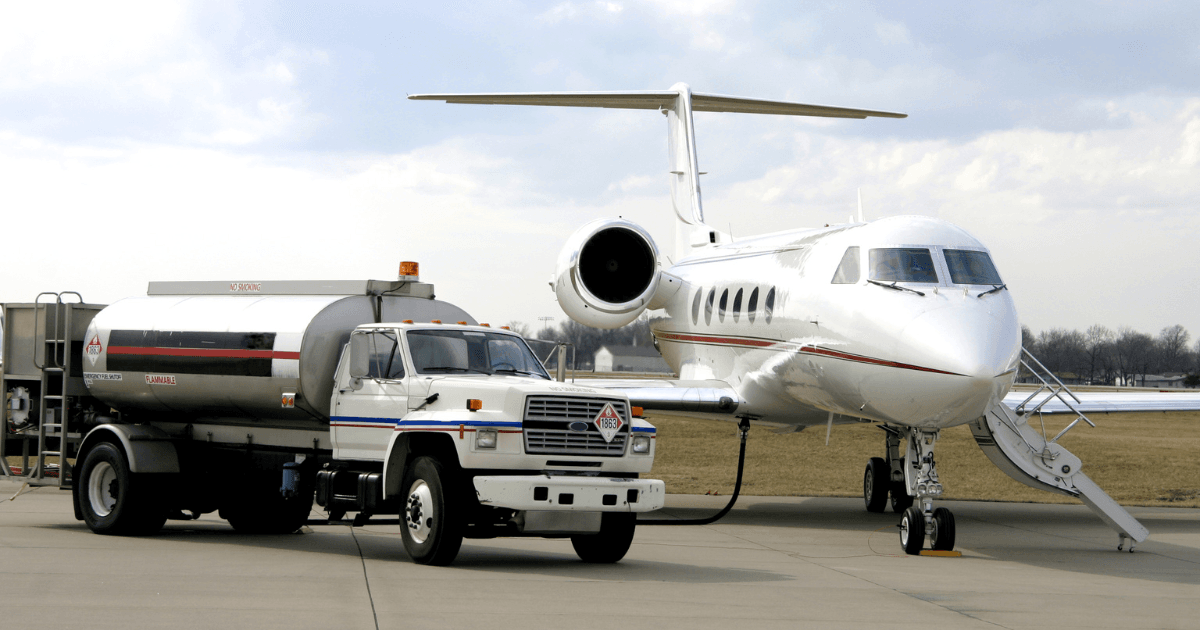
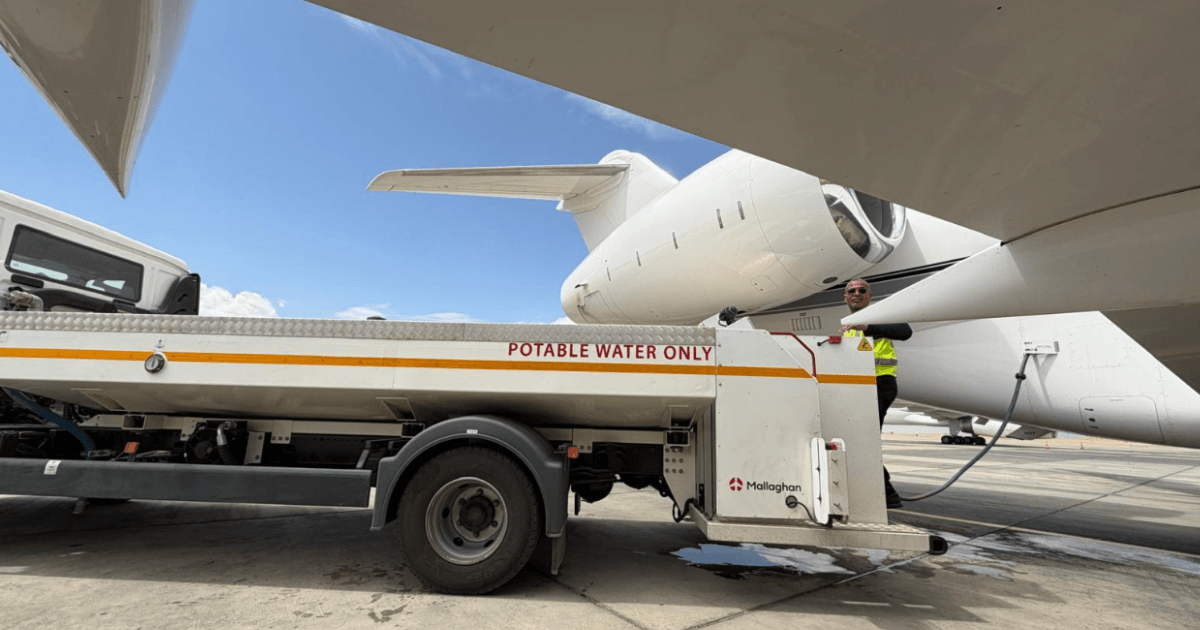
At most airports, potable water is delivered via a service truck or cart that attaches directly to the aircraft’s fill port. For coordinated operations, these service vehicles are well-maintained, clean, and well-handled.
The truth is, however, that the operational environment differs from airport to airport.
There are many airports where flight crews are unaware of the true source of the water or the equipment’s maintenance. While the truck may be labeled as potable, that label does not tell the full story.
From experience, this is where crews start to pay attention. Not every uplift is treated the same, and the difference often comes down to the handler, the airport, and the operation's on-the-ground discipline.
What actually happens to that water onboard
In a nutshell, just because water is on board does not mean it is used for drinking.
The majority of aircraft are equipped with UV light systems intended to purify water by reducing bacteria and viruses before they reach the sink. These systems work, but they are no guarantee.
And then there is the aircraft itself.
The water tanks are not kept clean all the time. They are cleaned on a schedule, but between cleanings, water sits in those tanks longer than most people would think. This ultimately changes the way you think about using water on an aircraft.
In practice, onboard water is treated as functional rather than consumable. It is there for handwashing and basic use. Drinking water comes from sealed bottles.
This is not written in any manual, but this is how it works.
Not every aircraft carries water
Did you know that light jets do not carry water on board? Their flights are short, and their on-board equipment is minimal. There is no way to expect water to be on board, let alone for it to be used as it is on larger aircraft.
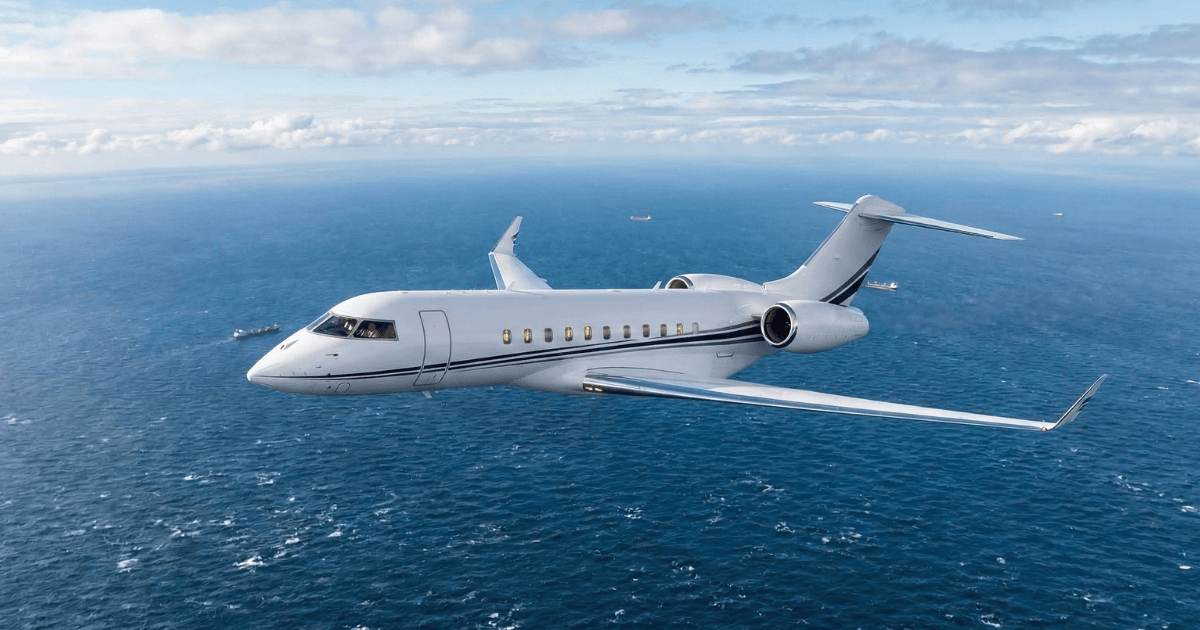
When you get into super midsize jets and above, things change. These aircraft have sinks, lavatories, and, in some cases, a galley. Water is on board, which means so is the responsibility for using it.
For crews moving from one type of aircraft to another, this is a change in both mindset and equipment.
Cost and cold weather
Potable water uplift is a standard charge on a handling invoice. The average cost of this charge is around 150 USD, depending on the airport.
While the cost may not be a significant factor, the operational side of this issue most definitely is.
In colder environments, water systems cannot just sit overnight. When the temperature drops to freezing, the system must be drained. Otherwise, there is a danger of damage to the tanks and the lines.
Aspen/Pitkin County Airport, for example, often has to deal with this. Planes arrive, and the system is drained. It is then refilled before departure.
This may sound simplistic, but it does add another layer to the operation. The timing, coordination, and consistency of this all start to become a bit more important.
So, is it safe to drink?
This is the most common question. The honest answer, however, is this:
It depends, but most crews do not consider it safe to drink.
From the source to the tap, water passes through several stages. It sits in a truck, passes through several pieces of equipment, enters the airplane, and finally sits idle in a tank before it is used.
Each of these stages introduces several variables. As a result, bottled water is used for consumption. It eliminates all of the variables. The system on the airplane works well, but only for what it's designed to do.
This is not about being overcautious. It is about being realistic about the system.
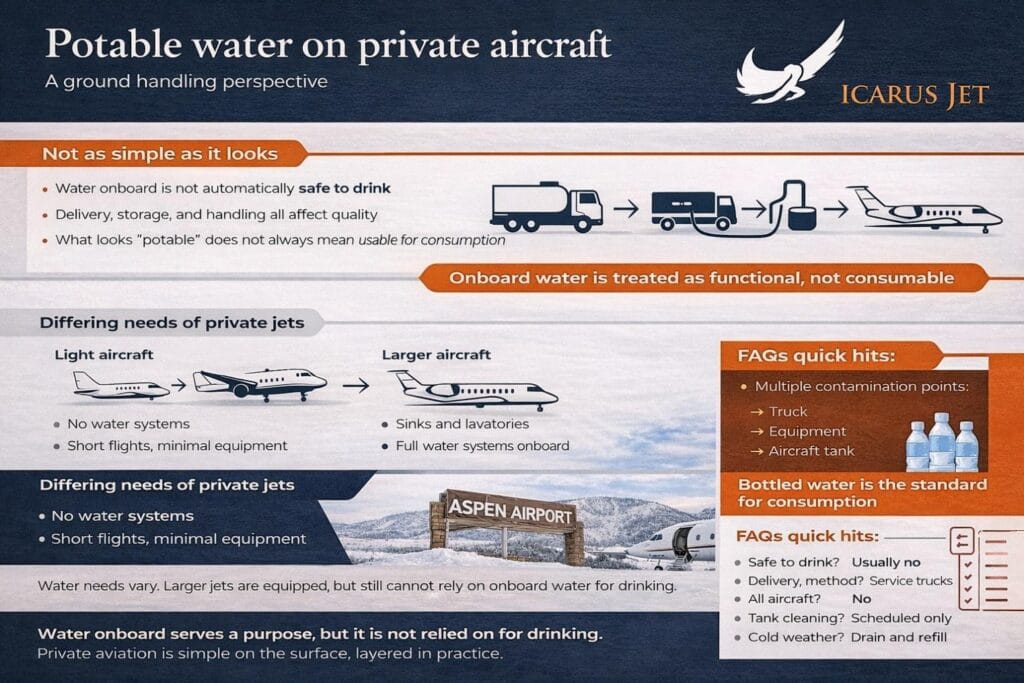
What this looks like from the ground
From the ground perspective, potable water is not just a service; it is a chain.
The handler controls one piece of that chain. The aircraft is in control of another piece, and the crew controls what happens in between.
If the operations are good, the process is clean, simple, and easy to understand. If operations are not efficient, the problems will be obvious right away.
For the crew, the solution is easy: not to assume that every place is the same and to pay attention to the details that are easy to overlook.
For the passenger, the solution is just as simple: potable water is not automatically available for drinking.
Conclusion
While potable water is just a small piece of the overall process, it is a good example of how the private aviation system really works.
While the process might look simple and easy from the outside, there are many layers to the system that make it more complicated, and the quality of the service depends on the airport, the handler, and the aircraft itself.
While the process is obvious from the ground, it is more complicated from the air. That is why, in practice, water onboard is treated as a utility. It serves its purpose, but it is not relied on in the same way as a bottled supply.
It is not a flaw in the system. It is simply how the system operates.
FAQs
Is potable water available on a private jet safe to drink?
It usually isn’t. Most crews do not drink it because of the many variables involved in its handling and storage. Bottled water is the standard for drinking.
How is potable water delivered to a private jet?
It is delivered by ground service trucks or carts that transport the water and fill it into the aircraft’s onboard water tank through a fill port.
Do all private jets have potable water systems?
No, light jets do not have potable water systems, but larger aircraft do.
How often are aircraft water tanks cleaned?
Aircraft water tanks are cleaned during scheduled maintenance, but not after every flight.
How much does potable water uplift cost?
It costs 150 USD, depending on the airport and handler fees.
What happens in freezing conditions?
If the aircraft is in freezing temperatures, the water system has to be drained to prevent freezing and damage. It is then refilled before departure.
Do onboard systems filter the water?
While most aircraft have UV systems to reduce bacteria and viruses, there is still a risk.