
 Very Light Jets
HondaJet HA-420
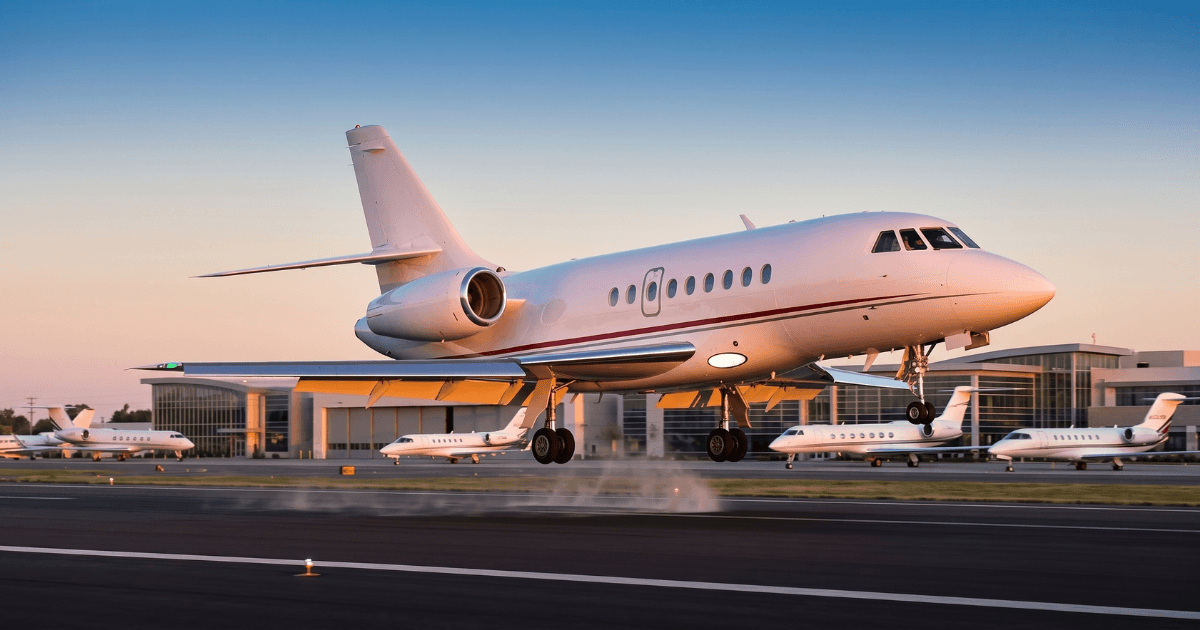
A very light jet for five or six, with engines mounted above the wing, an enclosed lavatory and 1,223 NM of range with four aboard.
Reviewed by Kevin Singh, Founder · Specifications checked against manufacturer and type certificate data · Last updated 14 September 2026
At a glance
HondaJet HA-420 specifications
Figures are representative of the type; individual aircraft vary with configuration, load and conditions.
Where it fits
A very light jet with its engines out of the way
The HondaJet HA-420 is a single-pilot twin whose engines sit on pylons above the wing rather than on the rear fuselage. According to AOPA, that over-the-wing engine mount frees space for the cabin and baggage, and the original HondaJet carries 66 cubic feet of bags.
The cabin is 4 feet 10 inches tall and 5 feet wide, so passengers sit rather than stand, and Business Jet Traveler noted the enclosed toilet at the rear as unusual in its class. Range is 1,223 NM with the pilot and three passengers on NBAA IFR reserves.
The HA-420 received FAA type certification in December 2015. The original configuration covered in this guide was superseded by the HondaJet Elite from August 2018, and later by the Elite S and the Elite II, which flies 1,547 NM with four occupants.
Anyone who needs to stand, parties of more than six, or sectors beyond its 1,223 NM range. It also needs more runway than the other very light jets we cover, with a published takeoff distance of 4,000 feet. For longer legs or a bigger party, the Phenom 300 is the better tool.
Missions
What the desk books it for
Weekend sectors across Europe
London to Mallorca (719 NM) and Rome to Paris (606 NM) sit inside its range with four aboard, and the 66 cubic foot baggage allowance takes the bags a short break needs.
Across the Red Sea
Cairo to Jeddah is 657 NM, comfortably inside its published range, with permits filed alongside the trip.
Dallas to Saratoga
702 NM in one leg with four aboard. The desk checks the runway at both ends against the 4,000 foot takeoff distance before it quotes.
Small parties who want a real lavatory
Short business and family trips where an enclosed lavatory matters, which the original HondaJet offers at the rear of the cabin.
Where it flies
Routes the desk flies on the HondaJet
Sectors from our route guides that sit inside the HondaJet's range with four people aboard. Each opens to the flight time, the airports at both ends and what to know before you fly.
Cabin and baggage
A seated cabin with an enclosed lavatory
The cabin is 4 feet 10 inches tall and 5 feet wide. Aviation Week gives a length of 17 feet 10 inches, which appears to include the cockpit; Business Jet Traveler's figure of about 12 feet appears to exclude it. The fuselage is the same across every HondaJet variant.
The original HondaJet is certified for up to six passengers, with five a typical load. An enclosed lavatory sits at the rear; from the Elite onward its seat is belted and certified for takeoff and landing, so check which variant is offered if every seat counts.
Baggage totals 66 cubic feet, split between a nose compartment and an aft compartment. Tell the desk about golf bags, skis or equipment cases when you enquire, so the hold is planned before the aircraft is offered.
Performance and airports
Runways, altitude and the airports it opens
AOPA gives a takeoff distance of 4,000 feet over a 50 foot obstacle and a landing distance of 3,050 feet for the original HondaJet. Later variants need less runway: 3,491 feet for the Elite and 3,699 feet for the Elite II at maximum weight at sea level. It is certified to 43,000 feet.
Those figures suit executive airports on the routes the desk flies, including Teterboro, Dallas Love Field and Farnborough.
The EASA type certificate lists steep approach and landing among the type's operational capabilities, subject to the flight manual, which is not the same as approval for a particular airport. London City requires a type and crew approved for its steep approach, and at Aspen the runway available depends on elevation, temperature and weight. The desk checks both for the specific aircraft before a quote goes out.
Compare the class
HondaJet against the other very light jets
How the HondaJet lines up against the other very light jets we cover. The Eclipse 500 uses less runway and the Phenom 100 offers more seats; the HondaJet's case is that it flies further and faster than both on published figures, with a slightly larger hold than the Phenom 100.
| Aircraft | Passengers | Range | Cruise | Cabin height | Baggage |
|---|---|---|---|---|---|
| Eclipse 500 | Up to 5 | 1,125 NM | 370 kts | 4 ft 2 in | 16 cu ft |
| Embraer Phenom 100 | 4 to 7 | 1,178 NM | 406 kts | 4 ft 11 in | 64 cu ft |
| HondaJet HA-420This aircraft | 5 to 6 | 1,223 NM | 422 kts | 4 ft 10 in | 66 cu ft |
Chartering with Icarus Jet
How we charter the HondaJet
We source HondaJets from ARGUS-audited and Wyvern-certified operators, and the operator's name and audit status are on the quote. The desk checks range against the real routing, baggage against the real party and runway length at both ends before it checks availability, so the aircraft offered is one that genuinely fits the trip.
Quotes are all-in and itemised: aircraft and crew, positioning, landing and handling, fuel and taxes, with nothing added after the flight that was not on the page. The figure depends on where the nearest suitable aircraft is based, the dates and the airports, which is why we price your actual trip rather than publish a rate.
Questions
HondaJet questions the desk gets
How far can a HondaJet fly nonstop?
Business Jet Traveler gives the original HondaJet 1,223 NM with the pilot and three passengers on NBAA IFR reserves. That covers London to Mallorca or Cairo to Jeddah. The later Elite flies 1,437 NM and the Elite II 1,547 NM, and the desk plans each leg against winds, temperature and weight on the day.
How many passengers does a HondaJet seat?
The original HondaJet is certified for up to six passengers, and five is a typical load. Aircraft from the Elite onward are certified for seven. The published range assumes three passengers, so the desk plans longer legs with that in mind.
Can you stand up in the cabin?
No. The cabin is 4 feet 10 inches tall and 5 feet wide, so passengers sit for the flight. If standing room matters, the desk will quote a stand-up cabin such as the Citation XLS.
How much luggage fits on a HondaJet?
The original HondaJet carries 66 cubic feet of baggage across a nose compartment and an aft compartment; Aviation Week gives 62 cubic feet for the Elite II. Tell the desk about bulky items when you enquire, so the load is planned before the aircraft is offered.
Why are the HondaJet's engines on top of the wing?
Honda's over-the-wing engine mount puts the two GE Honda HF120 engines on pylons above the wing instead of on the rear fuselage. According to AOPA, that frees space inside the fuselage for the cabin and baggage.
Which HondaJet variants are there?
The original HA-420 was certified in December 2015 and superseded by the Elite from August 2018, which added range and a belted lavatory seat. The Elite S raised the maximum takeoff weight, and the Elite II, certified in November 2022, flies 1,547 NM. The desk will tell you which variant is available for your dates.
How fast is the HondaJet?
Maximum cruise is 422 knots at 30,000 feet, and Aviation Week publishes the same figure for the original and later variants. It is certified to 43,000 feet.
Related
Around the HondaJet
Get your number
Charter the HondaJet
Send the route, the dates and the passengers. The desk checks range and baggage against the trip, then comes back with the aircraft that genuinely fit and an itemised quote.
Prefer to talk? Call +1 888 277 7203. The desk is staffed 24/7.
Comparing aircraft? Browse the Aircraft Guides in the Aviation Library, 600+ guides on chartering and operations.